Dental knowledge
What Types of Zirconia Crowns Are Available? How Much Do They Cost, and When Should You Choose Them?
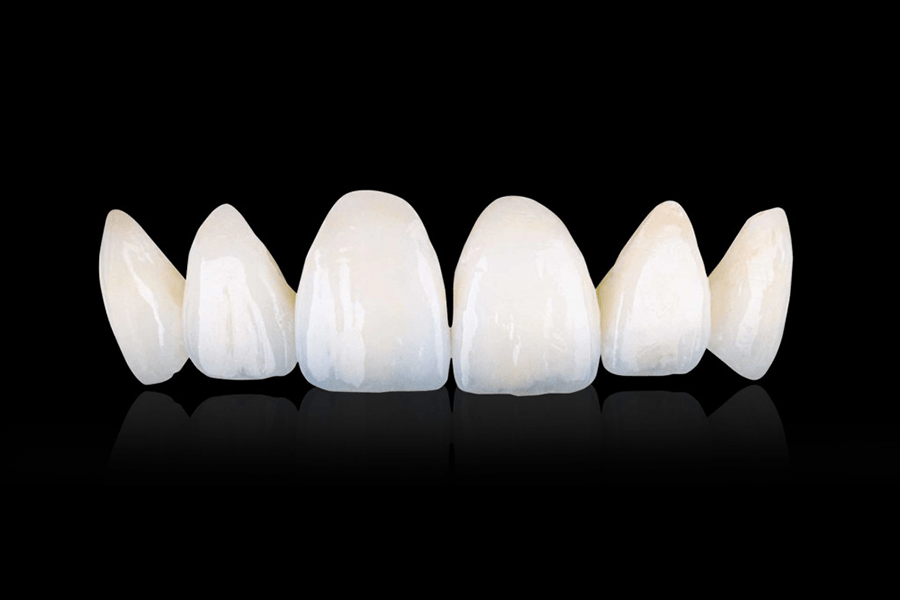
Are Zirconia Crowns a Good Choice?
To determine whether Zirconia crowns are a good choice, several factors should be considered, including strength, aesthetics, biocompatibility, and suitability for the specific area being restored.
Some of the key advantages of all-ceramic Zirconia crowns include:
High Strength and Durability
One of Zirconia’s most notable properties is its high mechanical strength. Some types of Zirconia can achieve a flexural strength of approximately 1,000 MPa or higher.
This makes Zirconia suitable for areas that require greater resistance to chewing forces, such as molars, dental crowns, and certain types of dental bridges.
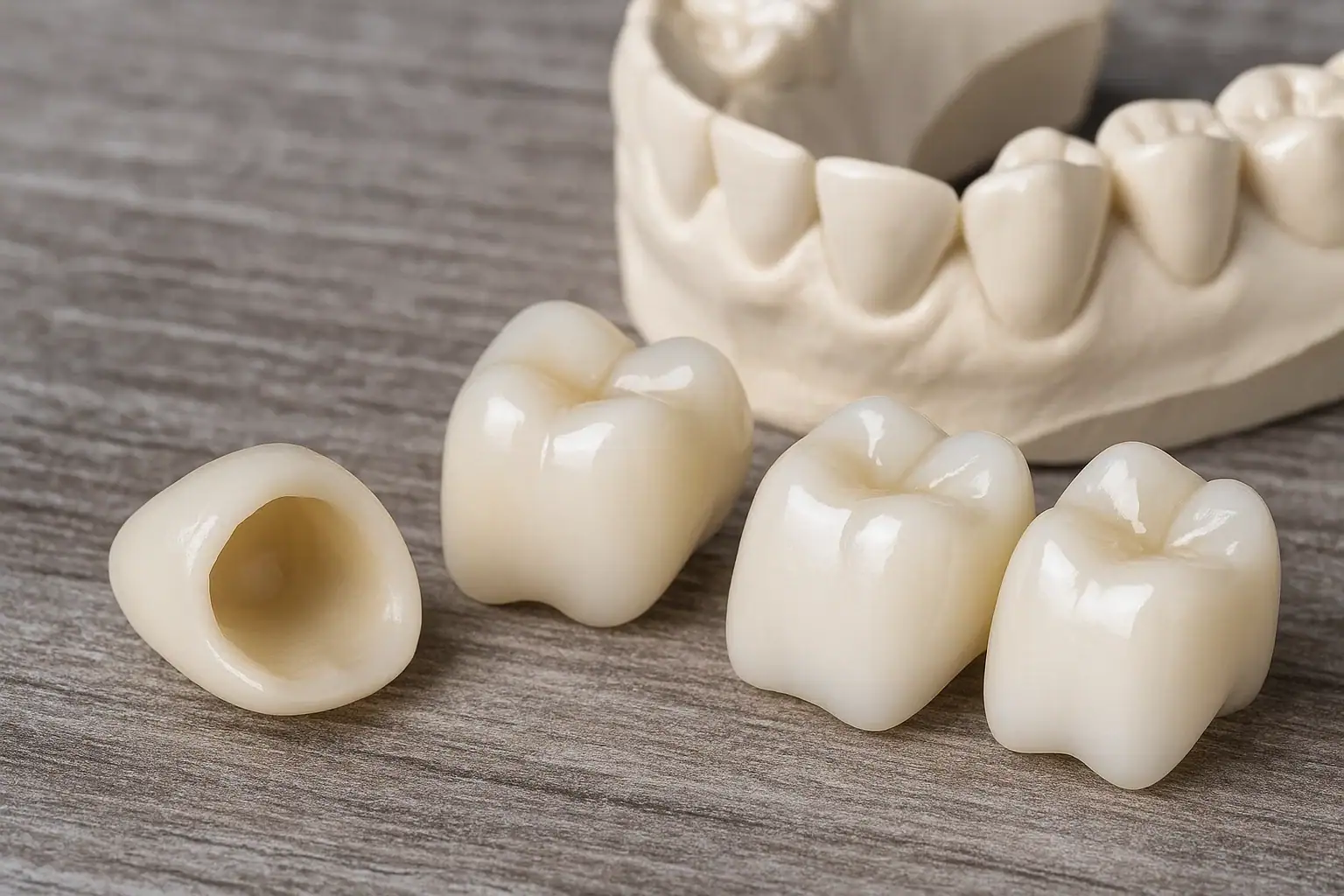
Improved Aesthetics
Earlier generations of Zirconia tended to be relatively opaque, making them better suited to areas where strength was the primary consideration.
Newer generations of Zirconia have significantly improved translucency and shade transitions. Some multilayer Zirconia materials can mimic the natural color gradient from the cervical area near the gumline to the incisal edge, making them more suitable for restoring front teeth.
Because Zirconia restorations do not have an internal metal framework, there is also no underlying metal that may show through the restoration and affect its appearance.
No Dark Metal Margin Caused by Oxidation
With some porcelain-fused-to-metal (PFM) restorations, the internal metal framework can affect the appearance around the gumline or become more noticeable as the gums change over time.
Because Zirconia does not contain a metal framework, it does not develop a dark margin caused by metal oxidation through this mechanism.
Good Biocompatibility
Zirconia is considered a highly biocompatible dental material and has been used in dentistry for many years.
Despite these advantages, Zirconia also has some limitations to consider. It generally costs more than porcelain-fused-to-metal restorations and requires careful technique throughout the treatment process. Tooth preparation, impressions or digital scanning, restoration design, laboratory fabrication, and the final assessment of contact points and bite alignment can all influence the quality and long-term performance of the restoration.
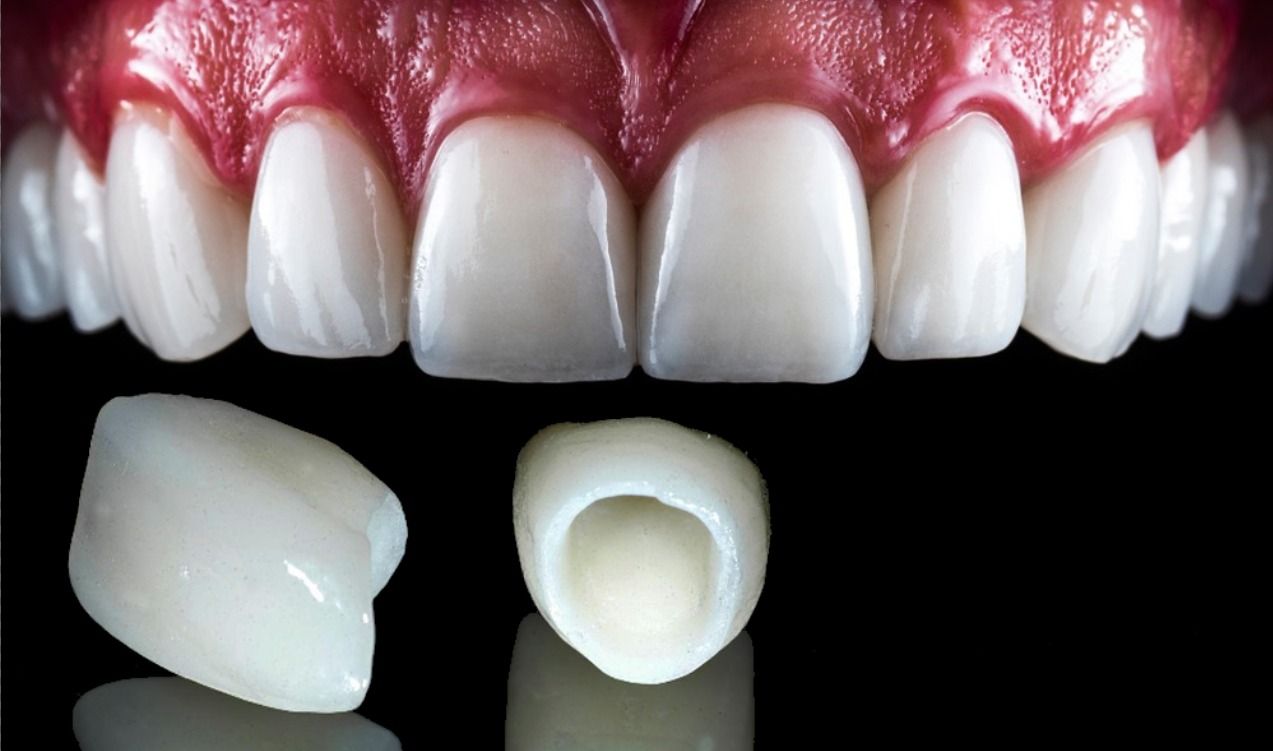
Zirconia Crowns vs. Porcelain-Fused-to-Metal Crowns
Both Zirconia and porcelain-fused-to-metal (PFM) crowns are widely used in restorative dentistry, but they differ significantly in their structure, aesthetics, material properties, and cost. The appropriate choice depends on the location of the tooth, aesthetic expectations, and each patient’s individual clinical condition.
Structure: Porcelain-fused-to-metal crowns have an internal metal framework covered with an outer layer of porcelain. In contrast, Zirconia crowns do not require a metal framework. Zirconia may form the supporting structure or the entire restoration, depending on the type of crown. This is one of the fundamental differences between the two materials.
Strength: Both types of crowns can provide good strength when appropriately indicated, designed, and fabricated. However, Zirconia is particularly known for its high mechanical strength, making it suitable for areas exposed to substantial chewing forces, such as the back teeth. Actual durability depends on several factors, including the specific material, restoration design, and the patient’s bite.
Aesthetics: Zirconia crowns generally offer an aesthetic advantage because they do not contain an underlying metal framework. In particular, high-translucency and multilayer Zirconia materials can more closely reproduce the appearance of natural teeth, making them suitable for aesthetically demanding areas such as the front teeth. PFM crowns typically have more limited translucency because of the metal framework underneath the porcelain.
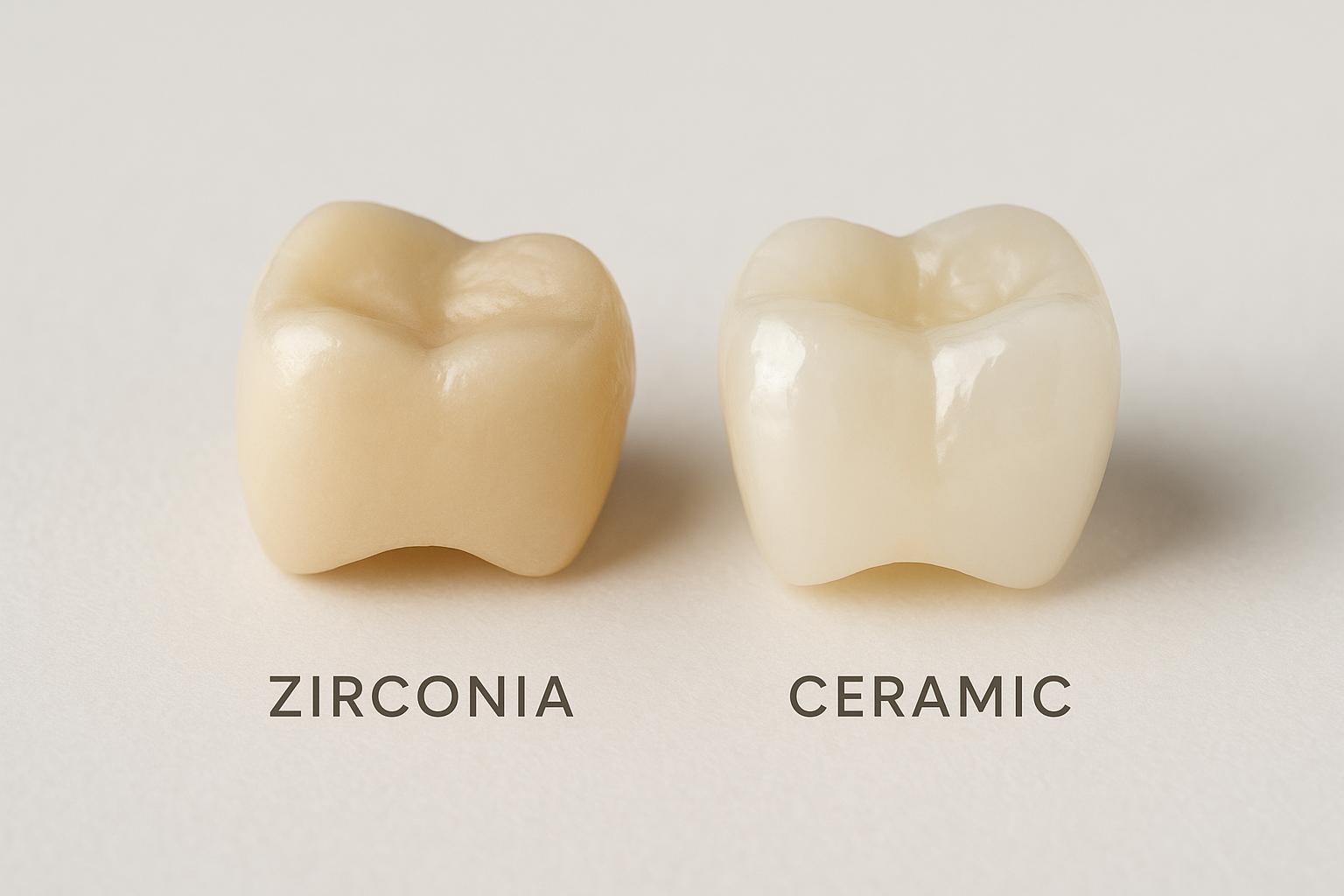
Appearance at the gumline: Because Zirconia does not contain a metal framework, it does not develop a dark margin caused by metal oxidation. With PFM crowns, the underlying metal framework may become more noticeable around the gumline in some cases, particularly if the gums change or recede over time.
Biocompatibility: Zirconia is considered a highly biocompatible material and is widely used in dentistry. However, the health of the gums around a dental crown depends on more than the restorative material alone. Factors such as how well the crown fits, the design of the preparation margin, and the patient’s oral hygiene also play important roles.
Cost: Zirconia crowns generally cost more than PFM crowns due to the material itself and the fabrication process. In return, they offer aesthetic advantages and a metal-free restoration.
Overall, Zirconia crowns may be a suitable choice for patients seeking a balance between strength and aesthetics, while PFM crowns can still be considered when aesthetic requirements are less demanding and cost is an important consideration.
More importantly, the decision should not be based solely on which type of crown is considered “better.” A dentist should evaluate factors such as tooth location, the amount of remaining natural tooth structure, gum health, bite, and the goals of the restoration to determine the most appropriate material for each individual case.
How Much Does a Zirconia Crown Cost Per Tooth?
The cost of a Zirconia crown can vary considerably depending on the brand, type of Zirconia material, and dental clinic. As a general reference, prices may range from approximately VND 2,500,000 to VND 6,000,000 per tooth, and may be higher for certain materials or more complex restorative requirements.
Several factors can affect the cost of a Zirconia crown:
Type and origin of the Zirconia material: Different Zirconia systems vary in their properties, country of origin, and price. Even within the same brand, there may be several types of Zirconia blanks designed for different clinical indications.
Condition of the tooth before restoration: If the tooth has decay, gingivitis, periodontal problems, or other dental conditions, these may need to be treated before the crown is placed.
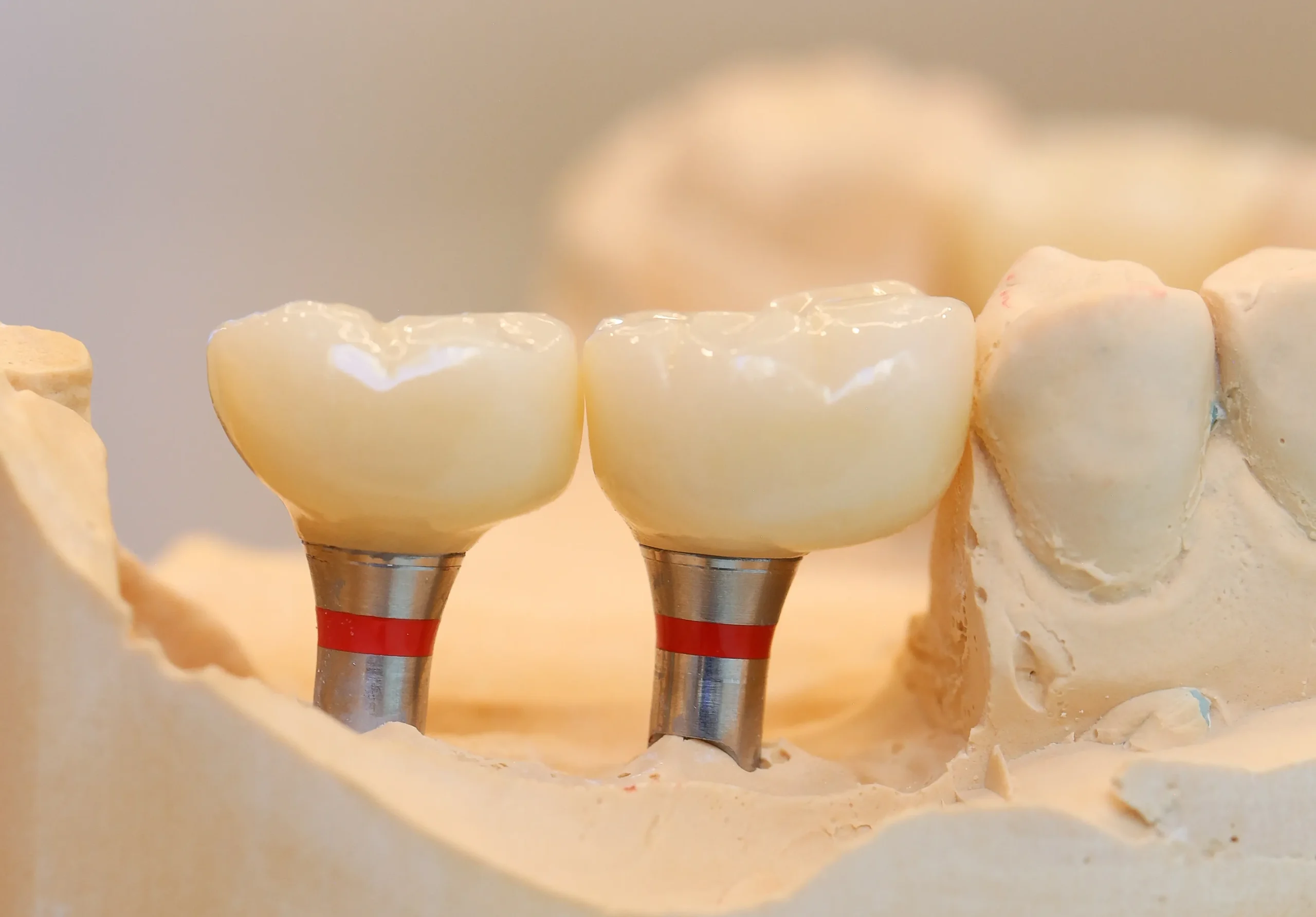
Dentist’s technique and experience: The quality of a dental crown depends on more than the Zirconia material itself. Proper case assessment, tooth preparation, margin control, bite adjustment, and final cementation can all directly influence the outcome.
Technology and dental laboratory quality: Digital scanning, CAD design, CAM milling, sintering, shade characterization, and final finishing can all affect the fit and aesthetics of the restoration.
For this reason, when comparing Zirconia crown prices, patients should ask about the specific material being used, the proposed treatment plan, and what is included in the quoted fee rather than comparing only the price per tooth.
Zirconia Crown Procedure
The exact procedure may vary depending on the condition of the tooth and the treatment protocol used by the dental clinic. In general, Zirconia crown treatment involves the following steps:
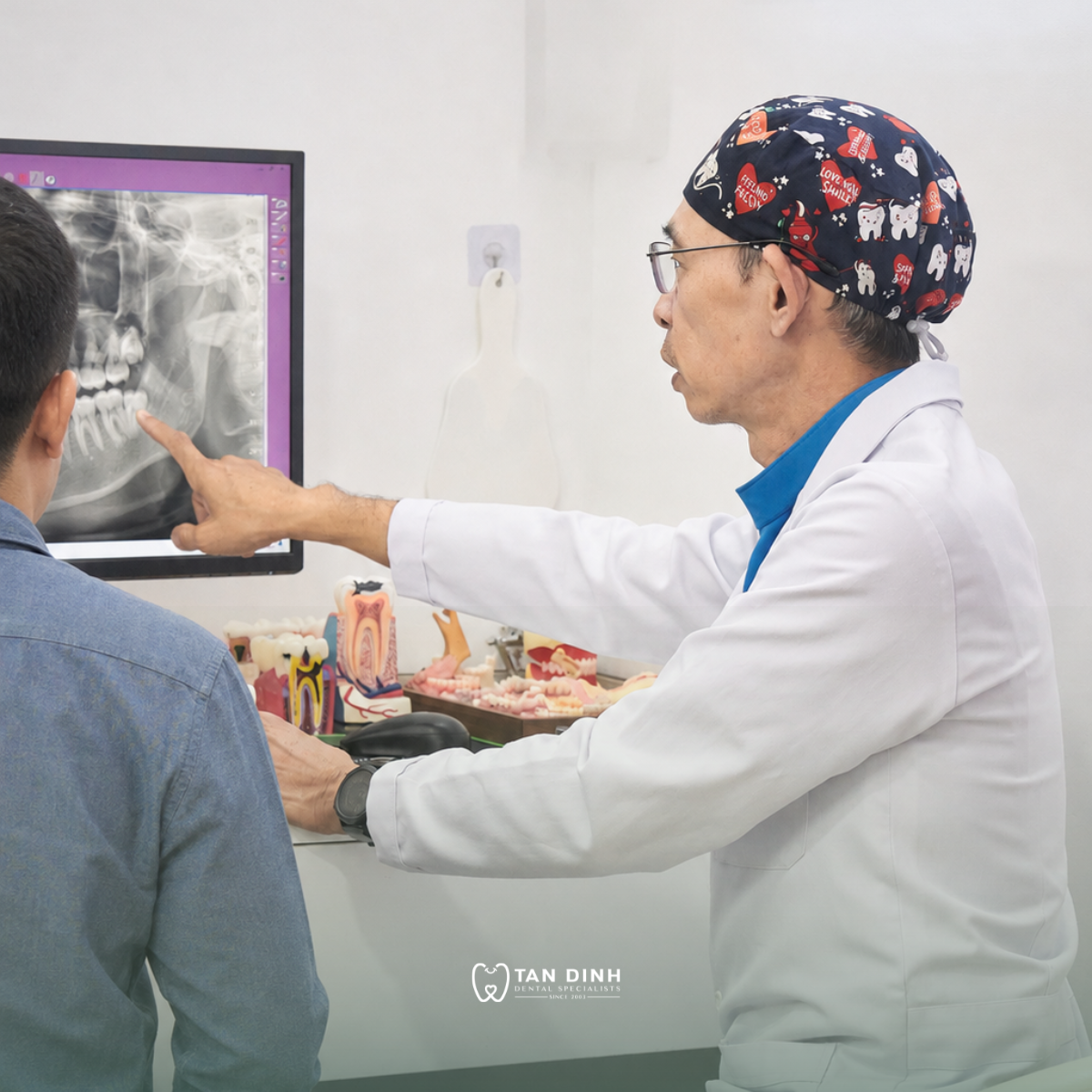
Step 1: Dental Examination and Assessment
The dentist examines the teeth, gums, bite, and other relevant oral structures.
X-rays or other diagnostic imaging may be recommended when necessary to assess structures that cannot be fully evaluated through a clinical examination alone.
At Tan Dinh Dental Specialist, careful diagnosis and treatment planning are emphasized before restorative treatment begins. The goal is not simply to select a type of dental ceramic, but to determine whether the tooth actually requires a restoration and which treatment option is most appropriate for its current condition.
Step 2: Tooth Preparation
If a Zirconia crown is considered appropriate, the dentist prepares the tooth according to the planned restoration, with local anesthesia provided when necessary.
The amount of tooth structure that needs to be adjusted varies from case to case. The aim is to create sufficient space for the restorative material while preserving as much healthy natural tooth structure as possible.
Step 3: Dental Impression or Digital Scan
The prepared tooth, adjacent teeth, and bite are recorded using either a conventional dental impression or a digital intraoral scan, depending on the system used by the dental clinic.
A temporary crown may be placed while the final restoration is being fabricated, if necessary.
Step 4: Crown Design and Fabrication
The collected data is sent to the dental laboratory, where the restoration is designed and fabricated.
With a CAD/CAM workflow, the crown can be digitally designed and milled from a Zirconia blank. The dental technician then completes the necessary sintering, shade characterization, and surface finishing procedures.
Step 5: Try-In and Final Placement
Before the crown is permanently placed, the dentist evaluates several important factors:
- The fit of the restoration
- Shape and shade
- Contact with adjacent teeth
- Relationship with the surrounding gums
- Bite and occlusion during jaw movements
Once these factors are considered satisfactory, the restoration is secured using an appropriate dental cement or bonding material.
This is also why the quality of a Zirconia crown should not be judged solely by the brand or type of Zirconia blank. Accurate diagnosis, the dentist’s clinical technique, and the quality of the laboratory fabrication all play important roles in the final result.
Choosing Zirconia Crowns: Look Beyond the Type and Price
Zirconia crowns offer several advantages in terms of strength, aesthetics, and biocompatibility. However, the success of a dental restoration depends on more than the material alone.
A high-quality restoration starts with an accurate diagnosis and appropriate treatment recommendation.
Before placing a crown, the dentist should assess the condition of the natural tooth, gum health, bite, and treatment goals. Based on this evaluation, the dentist can then select the appropriate type of Zirconia, restoration design, and treatment approach.
When choosing a dental clinic for Zirconia crowns, consider factors such as whether the dentist personally performs the examination and treatment planning, whether the restorative materials have a clearly documented origin, whether there is a specific warranty policy for the selected crown material, how thoroughly the teeth and bite are evaluated before treatment, and whether the clinic provides follow-up care and management of any issues that may arise after treatment.
At Tan Dinh Dental Specialist – Since 2003, our dentists personally examine each patient, assess their dental condition, and recommend an appropriate restorative treatment plan before treatment begins. If a tooth can be preserved with a less invasive treatment option, this will be considered before a dental crown is recommended.
If you are wondering whether a Zirconia crown is right for you, schedule an examination with a reputable dental clinic to assess your oral health and treatment goals. Based on this evaluation, your dentist can recommend the appropriate material, restoration plan, and estimated cost—rather than making a decision based on price alone.