Dental knowledge
What is a closed sinus lift? When is it necessary before dental implant placement?
Closed sinus lift is a supportive procedure used in dental implant treatment, typically considered when there is insufficient bone height in the posterior upper jaw to place an implant as planned. The dentist accesses the sinus through the implant site, gently elevates the sinus membrane, and may add bone grafting material when needed.
Compared with an open sinus lift, a closed sinus lift is generally considered when only a limited amount of sinus elevation is required and a certain amount of existing bone remains. However, this technique is not suitable for every case of insufficient bone. A clinical examination and 3D imaging are needed to determine the appropriate treatment approach.
What Is a Closed Sinus Lift?
The maxillary sinus is an air-filled cavity within the upper jawbone, located near the upper back teeth. When these teeth have been missing for an extended period, the bone in the area may gradually resorb. At the same time, the sinus may expand downward, reducing the amount of bone height available for implant placement.
If the available bone does not meet the requirements of the implant treatment plan, the dentist may need to create additional bone support before or at the same time as implant placement.
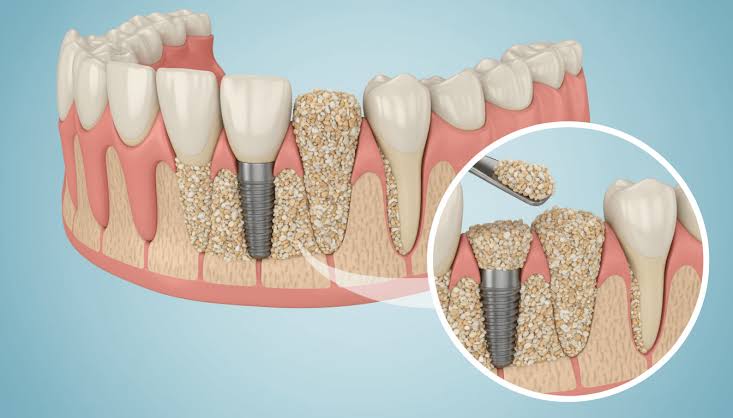
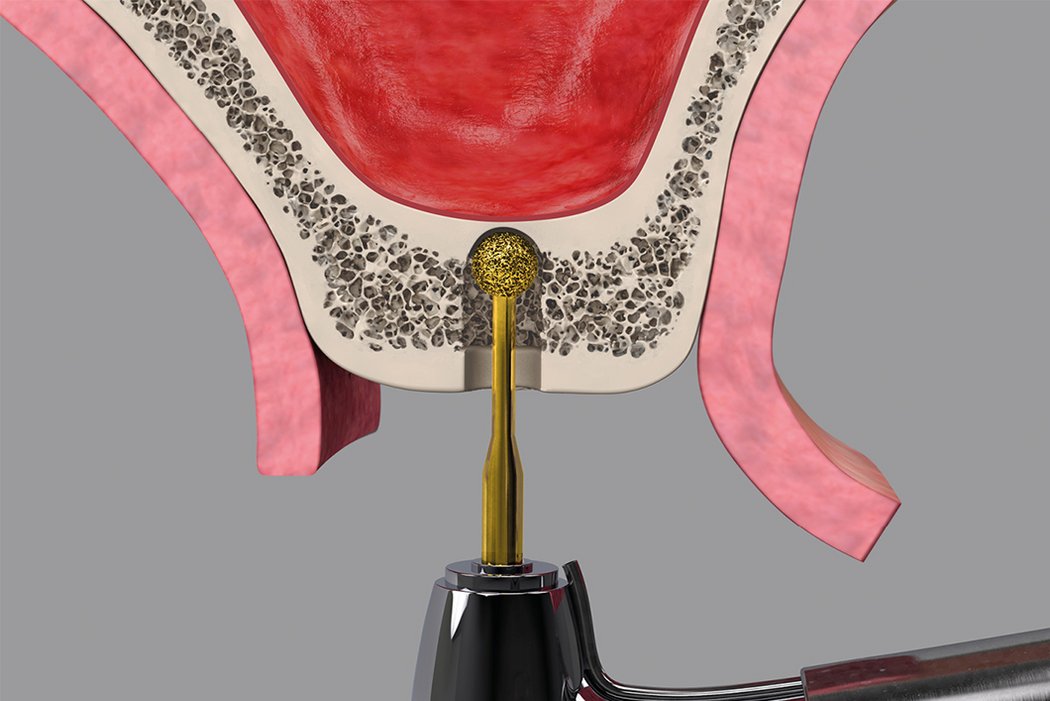
A closed sinus lift, also known as a crestal sinus lift or transcrestal sinus lift, is a technique in which the sinus is accessed through the planned implant site. The dentist creates a small access pathway through the bone, carefully elevates the sinus membrane in a controlled manner, and adds bone grafting material if required by the treatment plan.
The goal is not to “lift the entire sinus,” as some patients may imagine. What is actually elevated is the sinus membrane in the specific area where additional space is needed for bone and implant placement.
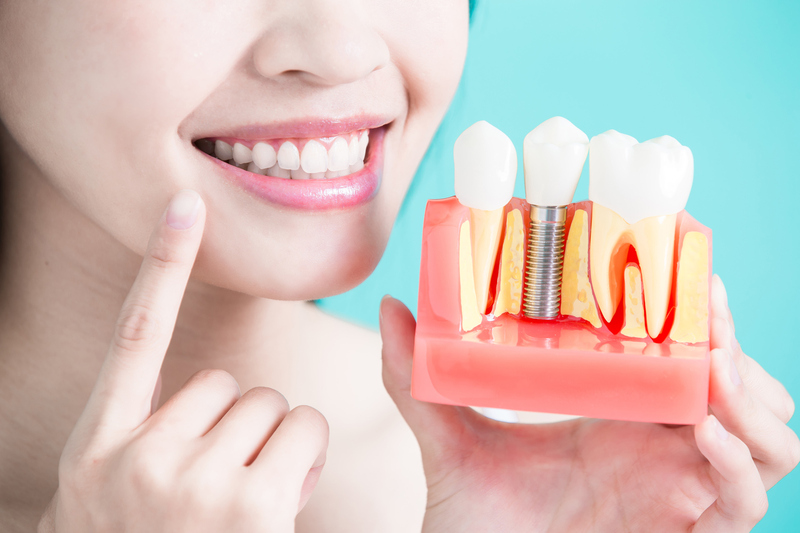
Why Might a Sinus Lift Be Needed for Dental Implants?
Dental implants are placed within the jawbone. Before placing an implant in the upper back jaw, the dentist therefore needs to evaluate the amount of available bone and the position of the maxillary sinus.
After tooth loss, the jawbone may gradually resorb because the tooth root is no longer present to transmit chewing forces to the bone. In the upper back jaw, the proximity of the maxillary sinus is another important consideration.
Over time, some patients may no longer have sufficient bone height for the planned implant placement. In these cases, the dentist will determine whether bone grafting, a sinus lift, or another treatment approach is needed.
Not everyone who has lost an upper back tooth requires a sinus lift. The decision depends on factors such as the remaining bone quantity and quality, sinus anatomy, the planned implant site, and the individual restorative treatment plan.
Who May Be a Candidate for a Closed Sinus Lift?
A closed sinus lift may be considered for patients who need dental implants in the upper back jaw but do not have sufficient bone height at the planned implant site.
Situations in which the dentist may consider this technique include:
- Missing upper back teeth with reduced bone height at the tooth-loss site.
- A maxillary sinus located relatively close to the planned implant site.
- A need to increase the amount of bone beneath the sinus.
- Sufficient existing bone for the dentist to consider a closed approach and an appropriate implant placement plan.
It is important not to assume that you need a closed sinus lift based solely on how long a tooth has been missing or on a conventional dental X-ray.
Each case requires an individual clinical assessment, particularly an evaluation of the bone and sinus anatomy using appropriate imaging before treatment is planned.
What Is the Difference Between a Closed and an Open Sinus Lift?
Both techniques are intended to create suitable bone conditions in the posterior upper jaw to support dental implant placement. The easiest way to understand the difference is by looking at how the sinus is accessed and the extent of the procedure required.
Closed Sinus Lift
The dentist accesses the sinus membrane through the site prepared for implant placement. Because a larger bone window does not need to be created on the side of the sinus, the surgical approach is generally more limited.
This technique is typically considered when only a relatively small amount of sinus elevation is required and the remaining bone conditions are suitable.
Open Sinus Lift
With an open sinus lift, the dentist accesses the sinus from the side of the upper jawbone by creating a lateral window. The sinus membrane is then elevated, and bone grafting is performed according to the treatment plan.
This approach may be considered when a greater amount of bone augmentation is required or when the existing bone conditions are not suitable for a closed technique.
A closed sinus lift should therefore not be considered inherently “better” than an open sinus lift. Each technique is intended for different clinical situations. The appropriate approach depends on the individual patient’s bone and sinus anatomy.
How Is a Closed Sinus Lift Performed?
The exact procedure may vary depending on the patient’s bone, sinus anatomy, and implant treatment plan. In general, the process may involve the following stages.
Step 1. Examination and Assessment of the Implant Site
The dentist examines the patient’s oral health, the location of the missing tooth, and any factors that could affect implant treatment.
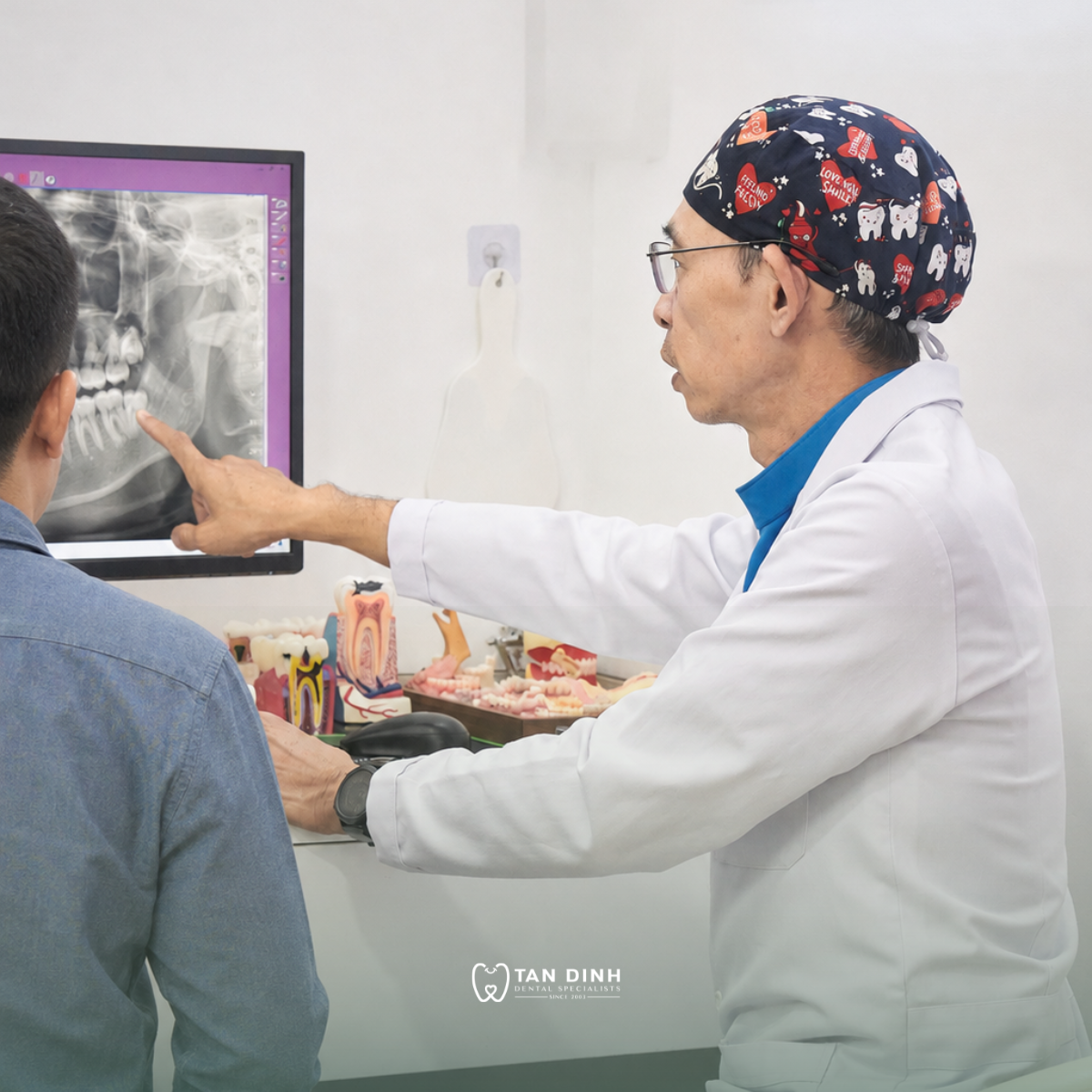
An important part of this assessment is 3D imaging, which allows the dentist to evaluate the jawbone and the relevant sinus area. This information helps determine the planned implant position and whether sinus elevation or bone grafting may be necessary.
Step 2. Treatment Planning
Based on the clinical examination and imaging findings, the dentist determines the proposed implant position, the amount of existing bone, and how much additional bone support may be required.
At this stage, the dentist also determines whether a closed sinus lift is appropriate or whether another treatment approach would be more suitable.
Step 3. Creating Access Through the Implant Site
After the treatment area has been prepared and appropriate local anesthesia administered, the dentist creates an access pathway through the bone at the planned implant site.
This step is carefully controlled to reach the sinus floor as planned while minimizing unnecessary disturbance to the sinus membrane.
Step 4. Elevating the Sinus Membrane
The sinus membrane is carefully elevated to create additional space underneath it. Depending on the treatment plan, bone grafting material may be placed into this space.
Step 5. Implant Placement When Conditions Allow
In suitable cases, the closed sinus lift and implant placement may be performed during the same procedure.
However, this is not appropriate for every patient. If the bone conditions are not suitable for immediate implant placement, the dentist may recommend a staged treatment approach.
Is a Closed Sinus Lift Painful?
Local anesthesia is used during the procedure to help keep the patient comfortable while treatment is being performed. After the anesthesia wears off, patients may experience varying degrees of pressure, soreness, or swelling.
The level of discomfort depends on the extent of the procedure, individual healing response, and the patient’s specific condition. Patients should take medications and follow postoperative care instructions as directed by their dentist rather than self-medicating or disturbing the treated area.
If pain or swelling becomes unusually severe, bleeding persists, fever develops, or you experience any symptoms that concern you, contact the dental clinic for evaluation.
What Is the Role of 3D CT Imaging Before a Sinus Lift?
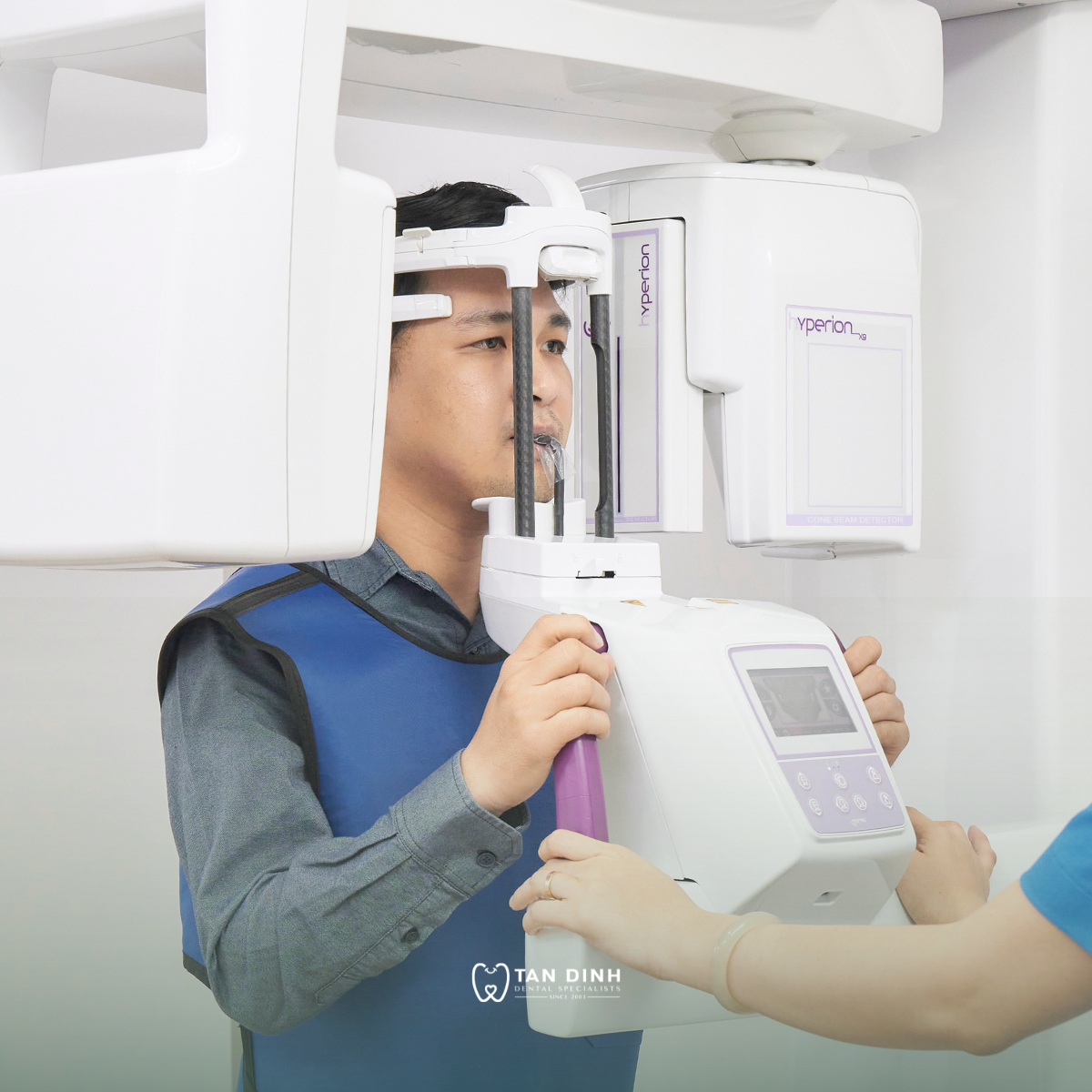
3D imaging allows the dentist to evaluate the jawbone and other relevant anatomical structures before planning dental implant treatment. In cases involving the maxillary sinus, this information is particularly useful for assessing the bone at the planned implant site and its relationship to the sinus.
At Tan Dinh Dental Specialist, the MyRay Hyperion X9 Pro system is used to support diagnostic imaging, including 3D imaging with Cone Beam Computed Tomography (CBCT). The system can assist dentists in evaluating the jawbone and surrounding structures for treatment planning.
Imaging is an important diagnostic aid, but the decision as to whether a closed sinus lift is necessary—and which treatment approach should be used—still depends on the dentist’s clinical assessment.
What Should You Keep in Mind After a Closed Sinus Lift?
After the procedure, patients should follow their dentist’s specific postoperative instructions, as aftercare may vary depending on the extent of treatment.
Because the treated area is associated with the sinus, it is particularly important to avoid activities that create excessive sinus pressure for the period recommended by the dentist. If you need to sneeze, avoid suppressing it or creating excessive pressure. Do not touch or disturb the surgical site.
Take medications as directed, maintain oral hygiene according to your dentist’s instructions, and attend scheduled follow-up appointments. If you notice any unusual symptoms, contact your dentist rather than waiting until your next scheduled visit.
How Long After a Closed Sinus Lift Can an Implant Be Placed?
There is no single timeframe that applies to every patient.
In some cases, a closed sinus lift and implant placement can be performed during the same appointment if the existing bone and other clinical conditions are suitable. In other cases, bone grafting may be required, followed by a healing period before the next stage of treatment.
The timing depends on factors such as the amount of remaining bone, the extent of sinus elevation, the ability to achieve adequate implant stability, healing progress, and the overall treatment plan.
Therefore, if you are wondering how long you need to wait after a sinus lift before getting an implant, the most important consideration is not a general timeframe but your individual bone condition.
What Factors Affect the Cost of a Closed Sinus Lift?
The cost should not be estimated based solely on the name of the procedure. The total cost of dental implant treatment can vary depending on the patient’s bone condition, the extent of sinus elevation required, whether bone grafting is needed, the materials used, the number of implants, and the final restorative treatment plan.
Closed sinus lift procedures are among the supportive treatments for dental implant placement available at Tan Dinh Dental Specialist.
To receive a cost estimate that reflects your individual case, you will need a clinical examination and a specific treatment plan. This is also consistent with Tan Dinh Dental Specialist’s approach to treatment costs: prices should not be estimated without an appropriate clinical basis, and general reference prices should be distinguished from the actual cost of an individual treatment plan.
When Should You See a Dentist If You Think You May Need a Sinus Lift?
If you are missing an upper back tooth and are considering dental implants—particularly if the tooth has been missing for some time—a dental examination can help determine the amount of remaining bone and assess the sinus area.
At Tan Dinh Dental Specialist – Since 2003, the approach is to first examine each patient’s individual condition and develop a treatment plan before determining the appropriate procedure. The clinic has been operating since 2003 and is currently located at 3 Ly Chinh Thang Street, Xuan Hoa Ward, Ho Chi Minh City.
If you are unsure whether you can have direct implant placement, need a closed sinus lift, an open sinus lift, or bone grafting, a clinical examination combined with appropriate imaging can help answer the key questions: Is there enough existing bone for the planned implant placement, and what additional preparation, if any, is needed before implant treatment?
Frequently Asked Questions About Closed Sinus Lifts
Does a Closed Sinus Lift Always Require Bone Grafting?
Not necessarily. Whether grafting material is used, and how much is needed, depends on the existing bone condition, the extent of sinus elevation, and the dentist’s implant treatment plan.
Can an Implant Be Placed at the Same Time as a Closed Sinus Lift?
In suitable cases, yes. The dentist needs to evaluate the amount of existing bone and whether the necessary conditions for implant placement can be achieved. If not, treatment may be divided into separate stages.
How Long After Losing an Upper Back Tooth Will I Need a Sinus Lift?
There is no fixed timeframe. Bone changes vary from person to person. Some patients may have been missing a tooth for a long time and still have bone conditions that allow an appropriate implant plan, while others may require additional procedures. A clinical examination and 3D imaging are needed for an individual assessment.
Which Is Better: a Closed or Open Sinus Lift?
Neither technique is better for every patient. A closed sinus lift is generally considered when only limited sinus elevation is needed and sufficient existing bone remains. An open sinus lift may be considered when more extensive augmentation is required. The dentist will recommend an approach based on the patient’s individual clinical condition.
Is a Closed Sinus Lift Dangerous?
As with other surgical procedures, a closed sinus lift has potential risks, including injury or perforation of the sinus membrane and postoperative complications. Appropriate examination, diagnostic imaging, treatment planning, and adherence to postoperative care instructions are important parts of managing these risks.
In summary, a closed sinus lift is a technique that may be used to create more favorable bone conditions for dental implant placement in the posterior upper jaw when the sinus is close to the planned implant site. One feature of the technique is that the sinus is accessed through the implant site, but it is not suitable for every patient with insufficient bone.
If you are missing an upper back tooth and have been told that you have limited bone or that your sinus is positioned close to the implant site, the next step is to have your bone volume and sinus anatomy properly assessed. Based on these findings, your dentist can determine whether direct implant placement is possible, whether a closed sinus lift is needed, or whether another treatment approach would be more appropriate.