Dental knowledge
Metal Braces: Types, Costs, and Important Considerations
Metal braces remain one of the most widely used orthodontic treatments thanks to their reliable control over tooth movement. They can correct a broad range of dental alignment and bite problems while offering a relatively affordable treatment option. But what types of metal braces are available? What are their advantages and limitations? How long does treatment take, and how much does it typically cost? This article provides the essential information you need before deciding whether metal braces are the right choice for you.
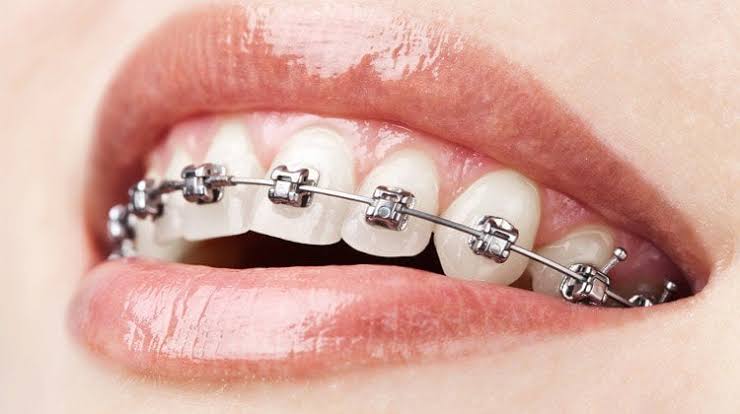
Common Types of Metal Braces
Metal braces generally fall into two main categories: conventional metal braces and self-ligating metal braces. Both systems use brackets and an archwire to guide the teeth into alignment. The main difference lies in how the archwire is secured within each bracket.
Conventional Metal Braces
Conventional metal braces use small elastic ties or fine metal wires to hold the archwire in place within each bracket. As the archwire applies controlled pressure, the teeth gradually move toward the positions established in the orthodontic treatment plan.
This well-established system has been widely used for many years and can treat a broad range of dental and bite problems, including gaps, crowding, crooked teeth, protruding teeth, underbites, and cases requiring more complex control of tooth movement.
Advantages:
- Provide reliable control over orthodontic forces and are suitable for a wide range of dental conditions.
- Can correct tooth and bite problems ranging from straightforward to complex.
- Generally cost less than self-ligating metal braces.
- Elastic ties are available in various colours, allowing patients to personalise the look of their braces.
Limitations:
- Elastic ties may stretch or become discoloured over time and need to be replaced during follow-up appointments.
- Friction between the archwire, elastic ties, and brackets may be greater than with some self-ligating systems.
- Thorough oral hygiene is essential, as food particles and plaque can build up around the brackets and elastic ties.
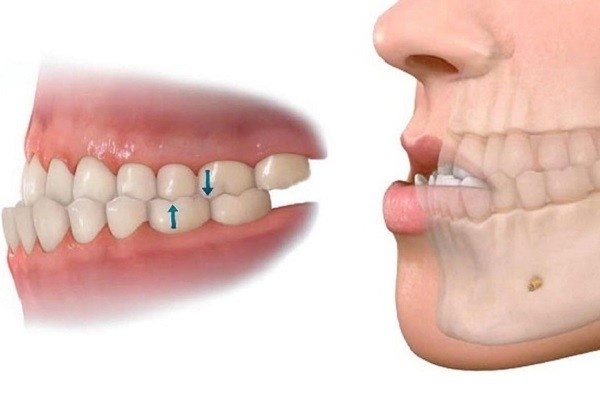
Self-Ligating Metal Braces
Self-ligating metal braces use built-in sliding clips or small doors to secure the archwire within the brackets. Unlike conventional braces, they do not require elastic ties to hold the archwire in place.
The opening and closing mechanism keeps the archwire securely positioned within the bracket slot while allowing the orthodontist to adjust or replace it more conveniently throughout treatment.
Advantages:
- Do not require elastic ties to secure the archwire.
- Eliminate concerns about elastic ties stretching or becoming discoloured.
- The brackets can usually be opened and closed more conveniently when the archwire needs to be adjusted or replaced.
- With fewer components around each bracket, keeping the teeth and braces clean may be easier.
Limitations:
- Generally cost more than conventional metal braces.
- Feature a more complex design, and some brackets may be slightly bulkier.
- Treatment results and duration depend on more than the type of bracket used. Factors such as the condition of the teeth, the severity of the bite problem, the treatment plan, and patient compliance also play an important role.
Overall, both conventional and self-ligating metal braces can produce excellent orthodontic results when appropriately prescribed and professionally managed. The choice should be based on each patient’s dental and bite condition, treatment plan, personal preferences, and budget—not simply on the type of bracket.
Advantages and Disadvantages of Metal Braces
Although increasingly discreet options such as ceramic braces and clear aligners are now available, metal braces remain a popular choice because of their reliable treatment outcomes, durability, and affordability. However, they also come with certain limitations that should be carefully considered before treatment.
Advantages of Metal Braces
One of the greatest strengths of metal braces is their ability to provide precise control over orthodontic forces. The bracket-and-archwire system allows the orthodontist to manage the direction and extent of movement for each tooth according to the treatment plan. As a result, metal braces can address a wide variety of concerns, including crowding, crooked teeth, gaps, protruding teeth, underbites, and bite problems ranging from straightforward to complex.
Metal brackets are generally made from medical-grade stainless steel or other highly durable alloys, allowing them to withstand the forces applied throughout treatment. With proper care and regular follow-up appointments, the system can continue delivering consistent pressure as the teeth move through each stage of the treatment plan.
Another important advantage is their relatively affordable cost. Compared with ceramic braces or clear aligners, metal braces are generally more accessible while still providing effective treatment for a wide range of orthodontic conditions. This makes them a practical option for patients who prioritise reliable results while keeping treatment costs manageable.
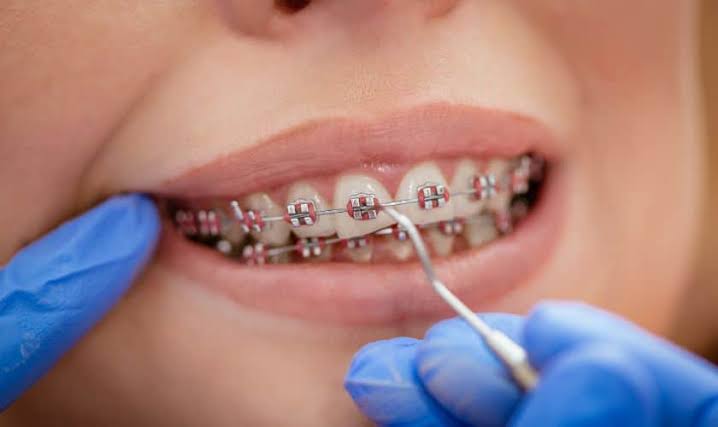
Disadvantages of Metal Braces
The most noticeable limitation of metal braces is their visibility. Because the brackets and archwire are attached to the front surfaces of the teeth, they are usually easy to see when smiling or speaking. This may make some patients feel self-conscious, particularly those whose work involves frequent face-to-face communication.
During the first few days after the braces are fitted—or following an archwire adjustment—patients may experience pressure, tenderness, or general discomfort. The brackets may also rub against the lips and inner cheeks, occasionally causing mild irritation or small sores. These symptoms usually ease as the mouth gradually adapts to the appliance.
Metal braces also require more time and attention when it comes to oral hygiene. Food particles can become trapped around the brackets, archwire, and spaces between the teeth. If plaque is not removed effectively, the risk of gum inflammation, tooth decay, and white-spot lesions caused by enamel demineralisation may increase.
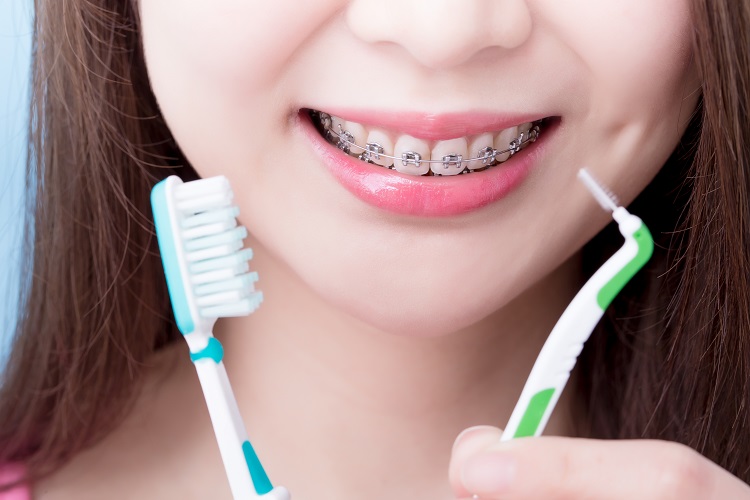
In addition to brushing thoroughly, patients are often advised to use interdental brushes, orthodontic floss, or a water flosser. Regular follow-up appointments are also essential so the orthodontist can monitor tooth movement and maintain good oral health throughout treatment.
How Long Does Treatment with Metal Braces Take?
Treatment with metal braces typically takes around 18–24 months. However, this is only a general estimate, as every patient has a different dental condition, bite problem, and biological response to orthodontic forces.
For relatively straightforward cases—such as mild spacing, minor crowding, or the need to reposition only a few teeth—treatment may take approximately 12–18 months. By contrast, significant misalignment, complex bite problems, cases requiring tooth extractions to create space, or treatment involving additional appliances may take 24–36 months or longer.
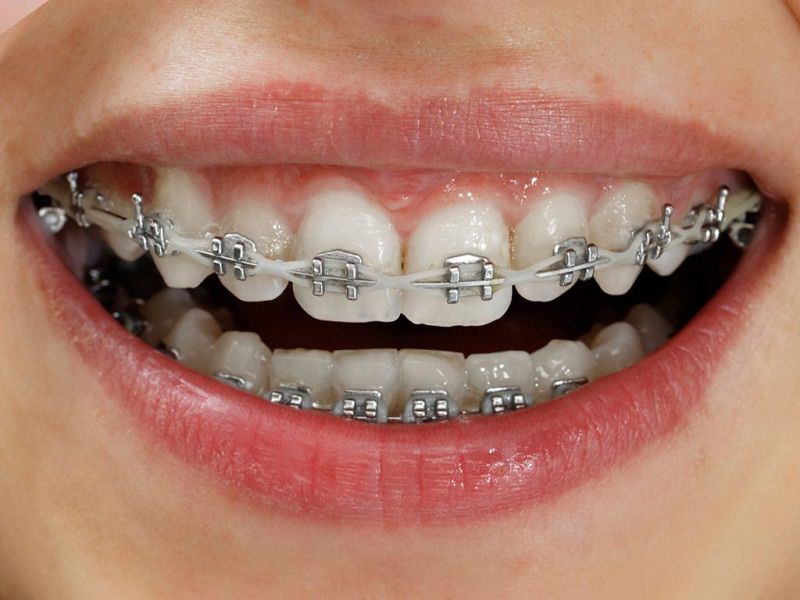
The actual duration of treatment depends on several factors, including:
- The severity of the tooth and bite misalignment: The more crowded or misaligned the teeth are—and the more complex the bite problem—the longer it generally takes to align the teeth and achieve a stable, functional bite.
- Age at the start of treatment: In children and adolescents who are still growing, the orthodontist may be able to use jaw development to support treatment in certain cases. Adults can also achieve excellent results, although their treatment plan must take into account bone condition, periodontal health, and overall oral health.
- The treatment plan: The need for tooth extractions, space creation, traction of impacted teeth, temporary anchorage devices such as miniscrews, or other supporting appliances can affect the overall treatment timeline.
- Individual biological response: Teeth do not move at exactly the same rate in every patient, even when their initial conditions appear similar.
- Patient compliance: Attending appointments as scheduled, wearing interarch elastics as instructed, caring for the appliance, and avoiding broken brackets or damaged archwires can help keep treatment on track.
- The orthodontist’s treatment planning and clinical management: Careful force application, close monitoring of tooth movement, and timely adjustments at each stage are essential for achieving the desired outcome while protecting the teeth and periodontal tissues.
For these reasons, treatment duration should not be predicted solely on the basis of a fixed number. Only after a clinical examination, diagnostic imaging, and a detailed assessment of the teeth and jaw structures can an orthodontist provide an estimated timeline tailored to the individual patient.
How Much Do Metal Braces Cost?
The cost of metal braces currently ranges from approximately VND 25 million to VND 125 million for both arches, depending on the bracket system, the severity of the tooth and bite misalignment, the treatment plan, and the pricing policy of the dental clinic.
Conventional metal braces generally cost between VND 25 million and VND 45 million. They are one of the more affordable orthodontic options and remain widely chosen because they provide reliable control over tooth movement in a broad range of cases.
Self-ligating metal braces typically cost more, ranging from around VND 35 million to VND 60 million. The price difference is largely due to their specialised bracket design, which features built-in clips or sliding doors that secure the archwire without elastic ties. This mechanism also makes it more convenient for the orthodontist to replace and adjust the archwire.
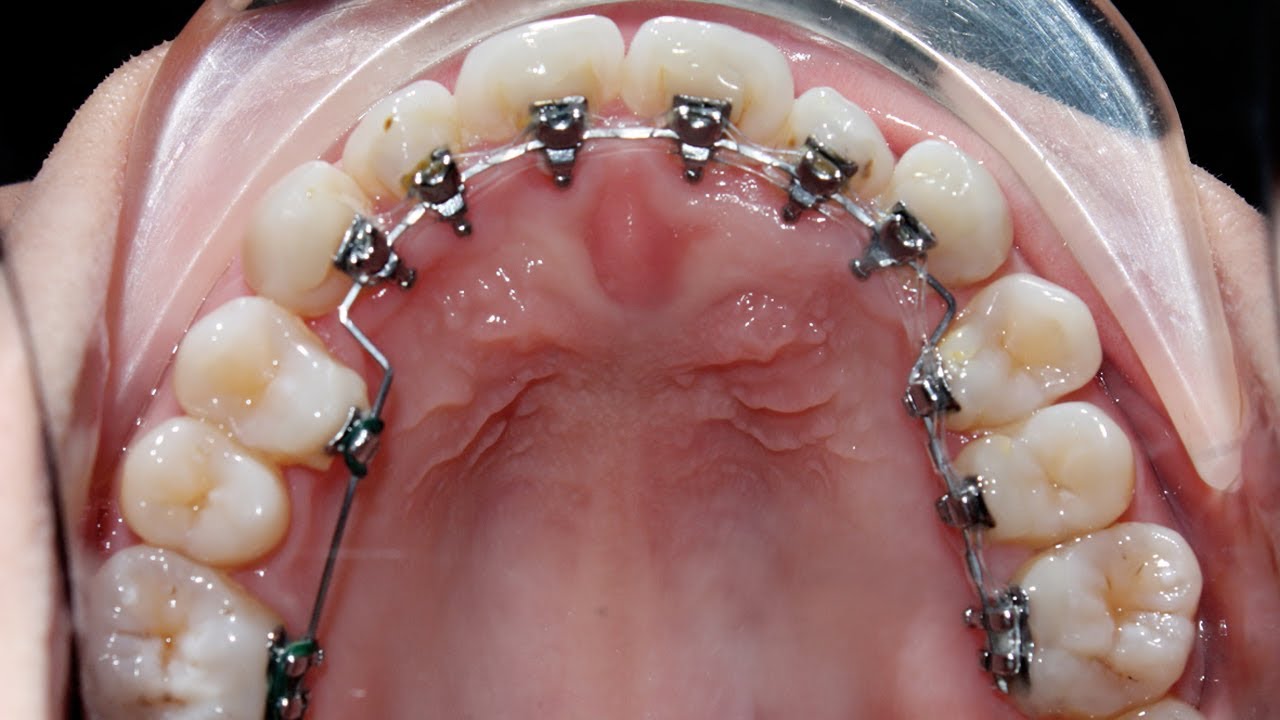
For lingual braces, which are fitted behind the teeth, treatment may cost approximately VND 80 million to VND 125 million. Because this approach keeps the appliance less visible when speaking or smiling, it requires specialised brackets, advanced clinical techniques, and more complex orthodontic management.
In addition to the cost of the braces themselves, the overall treatment budget may vary depending on each patient’s individual treatment plan. Some cases may require additional procedures or supporting appliances, such as tooth extractions, orthodontic miniscrews, palatal expanders, or traction of impacted teeth. Existing conditions such as tooth decay, gingivitis, or other oral health problems may also need to be treated before orthodontic treatment begins. Patients should therefore confirm exactly what the quoted fee includes and whether any additional charges may arise during treatment.
Many dental clinics also offer staged payment plans or instalment options to make treatment costs more manageable. Depending on the clinic’s policy, patients may pay an initial deposit and divide the remaining balance into several payments throughout the course of treatment.
The prices above are provided for reference only. To receive an accurate quotation for metal braces, patients will need a clinical examination, diagnostic imaging, and a thorough assessment of their teeth and jaw structures. The orthodontist can then develop a personalised treatment plan and provide a detailed cost estimate.
The Clinical Process for Metal Braces Treatment
Safe, successful orthodontic treatment requires a carefully planned clinical process, with every stage closely monitored by the orthodontist.
Step 1: Comprehensive Oral Examination, Diagnostic Imaging, and Dental Impressions
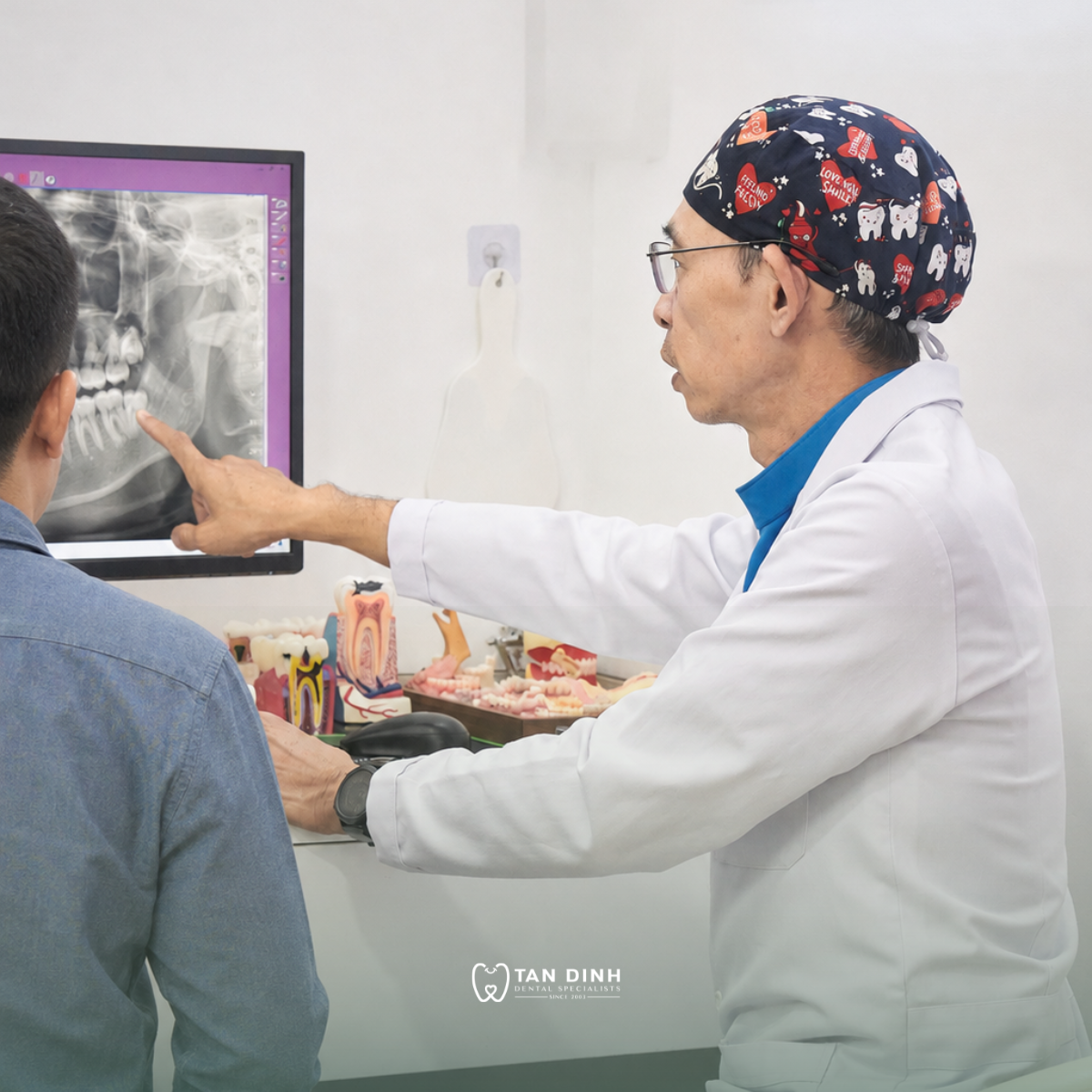
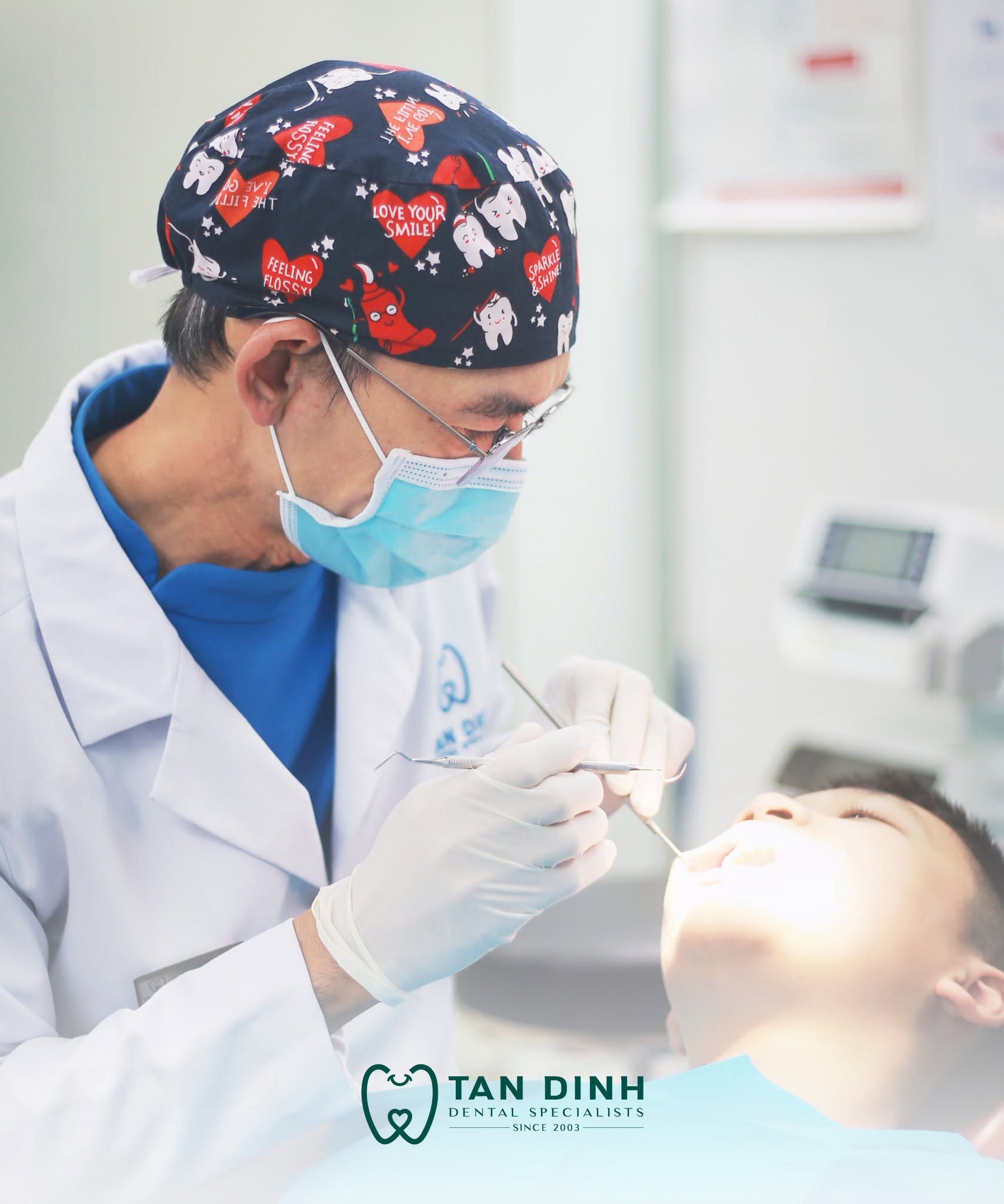
The orthodontist begins by conducting a comprehensive assessment of the patient’s oral health. Panoramic and lateral cephalometric X-rays are then taken to evaluate the jaw structures, tooth positions and angulations, as well as any unerupted or impacted teeth.
Dental impressions or digital scans are also obtained to create an accurate record of the patient’s teeth and bite. These records provide essential information for diagnosis and treatment planning.
A Trusted Dental Clinic for Braces in Ho Chi Minh City
Choosing a reputable dental clinic is an essential part of achieving a safe and successful orthodontic outcome. Having completed thousands of orthodontic cases, Tan Dinh Dental Specialists has become a trusted choice for patients in Ho Chi Minh City for several reasons:
- Experienced orthodontic team: Every patient is examined and receives a personalised treatment plan from a formally trained dentist with extensive clinical experience. Our dentists also continually update their knowledge and techniques in line with the latest advances in orthodontics.
- Advanced digital diagnostic technology: The clinic is equipped with panoramic and cephalometric X-ray systems, along with high-resolution 3D intraoral scanning technology. These tools allow the orthodontist to accurately assess the teeth, bite, and jaw structures, providing a reliable foundation for diagnosis and treatment planning.
- Transparent treatment agreements and clearly stated fees: Before treatment begins, each patient receives a detailed service agreement outlining the proposed treatment stages, expected outcomes, and total fees. Any potential additional costs will be discussed clearly in advance.
- Flexible payment options: Interest-free instalment plans are available with a straightforward application process, helping patients manage the cost of orthodontic treatment more comfortably.
Metal braces remain one of the most effective and cost-efficient orthodontic options available today. Choosing a reputable clinic and receiving care from an experienced orthodontist can help keep treatment safe, efficient, and on track toward a stable, functional bite.
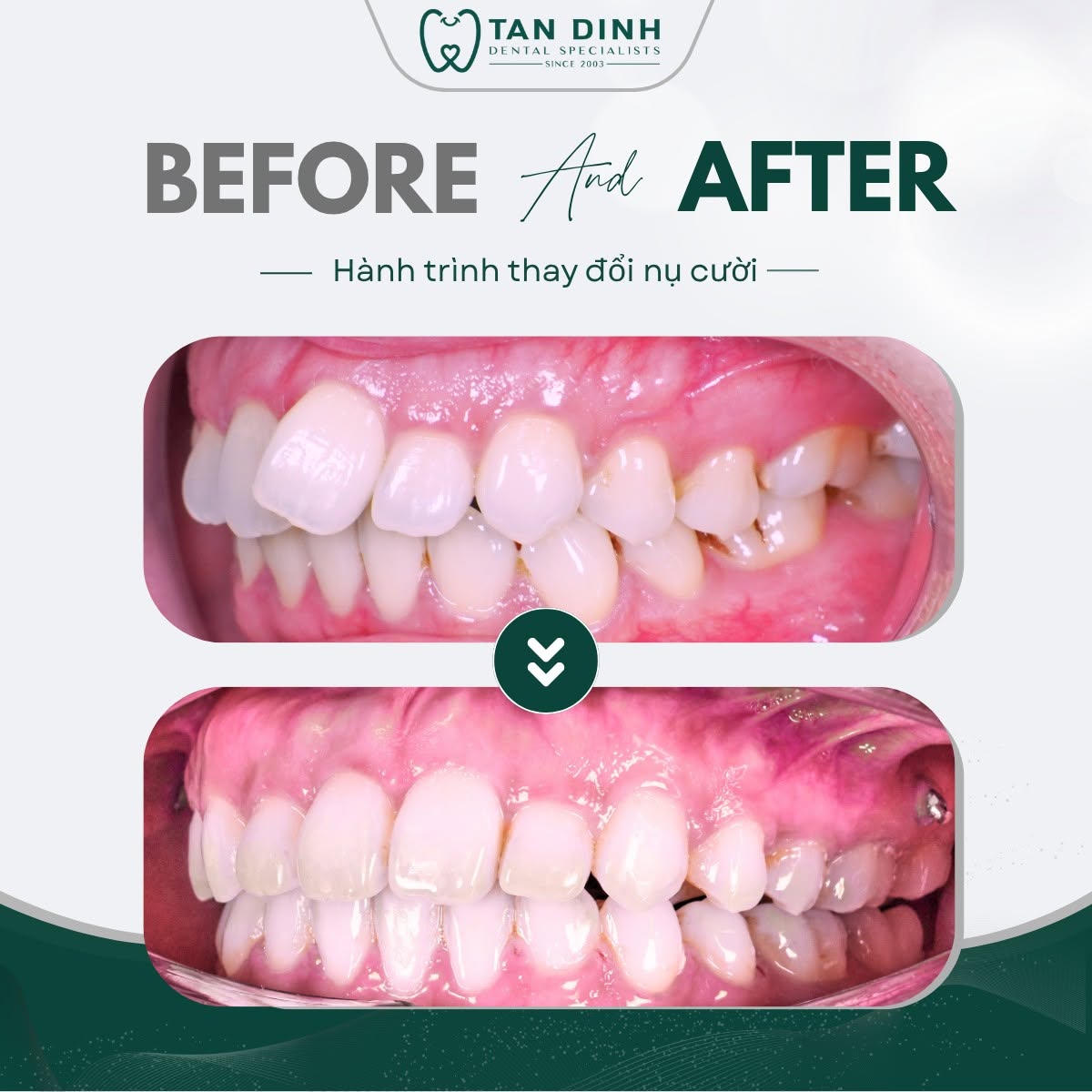
If you are considering braces, an early orthodontic assessment can help identify the most appropriate time and treatment approach for your needs—bringing you one step closer to a healthier, more confident smile.