Dental knowledge
Bone Grafting for Dental Implants: When Is It Needed? Does It Hurt? How Long Does Healing Take?
Bone grafting for dental implants is often recommended for patients who have been missing teeth for a long time, have experienced significant jawbone loss, or do not have enough bone in the planned implant area to adequately support an implant. Depending on the individual condition, bone grafting may be performed before implant placement or at the same time as the implant procedure.
What Is Bone Grafting for Dental Implants?
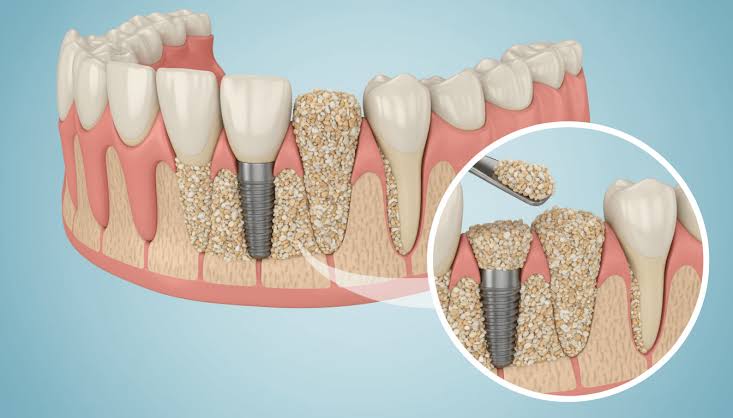
After a tooth is lost, the jawbone that once supported the tooth root gradually begins to resorb over time. If the remaining bone volume or density is insufficient to provide stable support for an implant, the dentist may recommend a bone graft.
In simple terms, bone grafting involves adding graft material to an area with insufficient bone to create a more suitable foundation for implant placement. The goal is not simply to create “as much bone as possible,” but to establish the appropriate bone conditions for the planned implant position and final dental restoration.
Why Can Long-Term Tooth Loss Lead to the Need for Bone Grafting?
The jawbone relies partly on stimulation from the tooth roots during chewing to help maintain its volume and density. After a tooth is lost, the bone in that area no longer receives the same stimulation and may gradually resorb.
The rate and extent of bone loss vary from person to person and can depend on factors such as how long the tooth has been missing, the location of the missing tooth, previous infection or inflammation around the tooth, and individual biological factors.
For this reason, patients who have been missing teeth for a similar length of time may require very different treatment plans. One patient may still have enough bone for direct dental implant placement, while another may need bone grafting to provide adequate support for the implant.
When Might Bone Grafting Be Needed for Dental Implants?
A dentist may consider bone grafting when the planned implant site does not have sufficient bone to provide stable support. Common situations include:
- Long-term tooth loss: The jawbone may gradually lose both height and width after a tooth has been missing for an extended period.
- Bone defects caused by dental conditions: Bone may have been damaged by severe periodontal disease, a cyst around the tooth root, or trauma.
- Natural anatomical limitations: Some patients naturally have a thin alveolar ridge. In the posterior upper jaw, the maxillary sinus may also leave insufficient bone height, sometimes requiring sinus augmentation together with bone grafting.
- Restorative requirements: Additional bone may be needed to support appropriate implant positioning for functional loading and to achieve a suitable esthetic result for the final restoration.
These are general examples only. Whether bone grafting is necessary should be determined through a clinical examination, 3D imaging, assessment of the surrounding anatomy, and a detailed restorative treatment plan.
Types of Bone Graft Materials Used in Dental Implant Treatment
Depending on the amount of bone required, the implant site, and the patient’s individual condition, the dentist may use one or a combination of the following graft materials:
- Autograft (autogenous bone): Bone harvested from the patient’s own body, such as from the chin, jaw, or iliac crest. Autogenous bone has excellent biocompatibility and bone-forming potential because it comes from the patient’s own body.
- Allograft: Bone graft material derived from human donors. It is processed and screened according to established tissue-banking and medical safety protocols before clinical use.
- Xenograft: Graft material derived from another species, most commonly highly processed bovine bone. It primarily acts as a scaffold that supports new bone formation and can help maintain graft volume during healing.
- Alloplast (synthetic bone graft): Synthetic graft materials made from biocompatible substances such as hydroxyapatite or beta-tricalcium phosphate. These materials provide a scaffold that supports bone regeneration.
How Do I Know If I Have Enough Bone for a Dental Implant?
The amount and quality of jawbone beneath the gums cannot be accurately assessed simply by looking at the area.
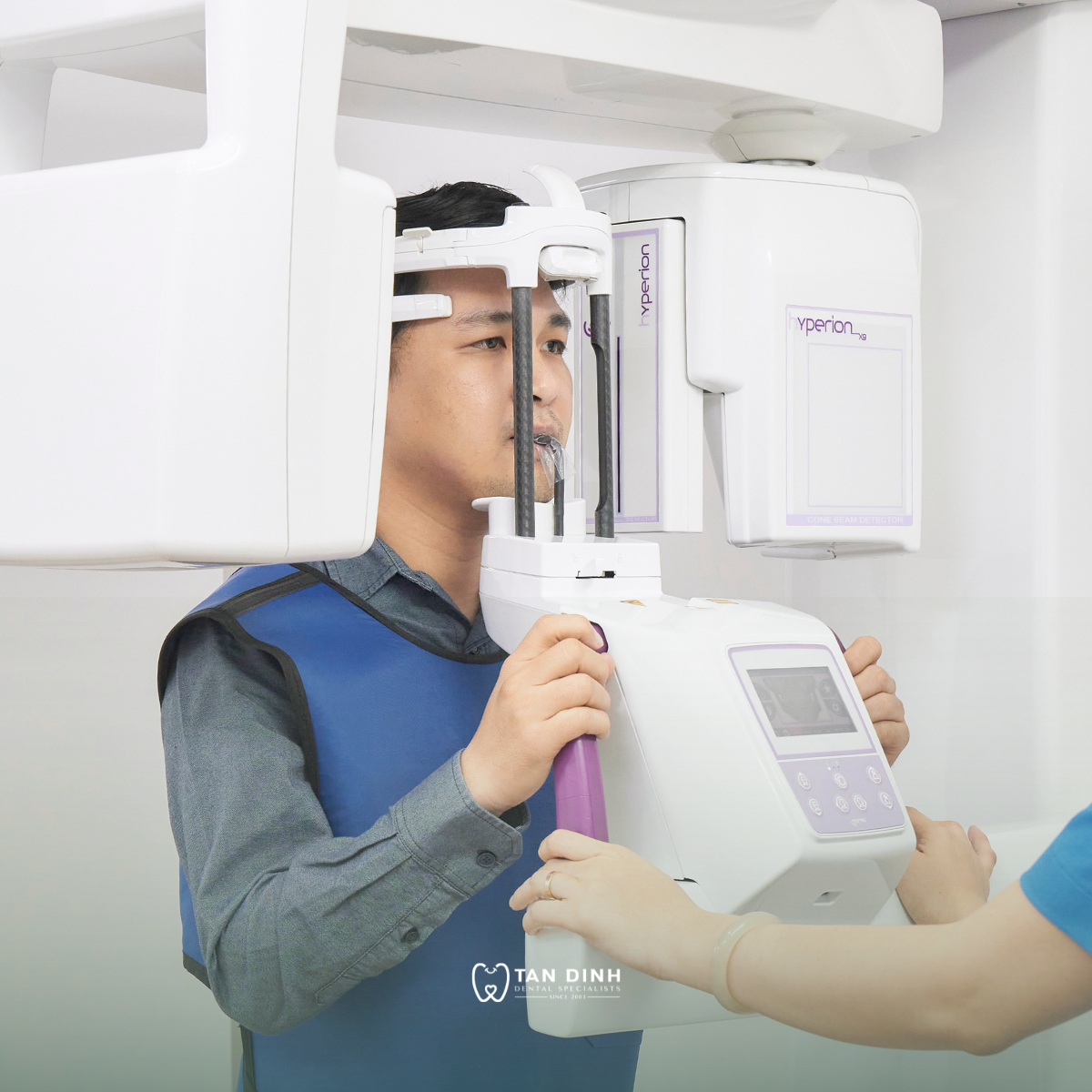
A dentist typically combines a clinical examination with Cone Beam Computed Tomography (CBCT) to evaluate the implant site. Three-dimensional imaging provides detailed information about the height and width of the jawbone, as well as important anatomical structures such as nerves and the maxillary sinuses.
At Tan Dinh Dental Specialist, the MyRay Hyperion X9 imaging system is used to assess jawbone anatomy and support implant treatment planning, helping dentists determine an appropriate implant position while minimizing unnecessary surgical intervention.
Can Bone Grafting and Dental Implant Placement Be Performed at the Same Time?
Yes, in suitable cases. Whether the two procedures can be performed together depends on the patient’s anatomy and the condition of the implant site.
- Bone grafting at the time of implant placement: This may be possible when there is enough existing bone to achieve adequate primary stability of the implant. Additional graft material can then be used to rebuild deficient areas of the ridge or cover exposed implant threads.
- Bone grafting before implant placement: When bone loss is more extensive and the remaining bone cannot adequately stabilize an implant, bone grafting may need to be performed first. The grafted area is then allowed to heal and mature before implant placement is considered.
The treatment sequence is therefore individualized based on 3D imaging, clinical findings, and the dentist’s treatment plan.
How Much Does Bone Grafting for Dental Implants Cost?
The cost of bone grafting varies from case to case and depends on several factors, including:
- Extent of bone loss: The amount of missing bone and the size or type of the bone defect.
- Type of graft material: Synthetic graft material, allograft, or autogenous bone, as well as whether a collagen membrane or other regenerative material is required.
- Additional procedures: Some patients may also require a sinus lift or soft-tissue grafting, depending on the treatment site.
What Does the Bone Grafting Procedure Usually Involve?
Step 1. Examination of the Missing-Tooth Area
The dentist examines the teeth, gums, and area where the tooth is missing. Relevant medical and dental history is also reviewed before a treatment plan is developed.
Step 2. Assessment of the Jawbone
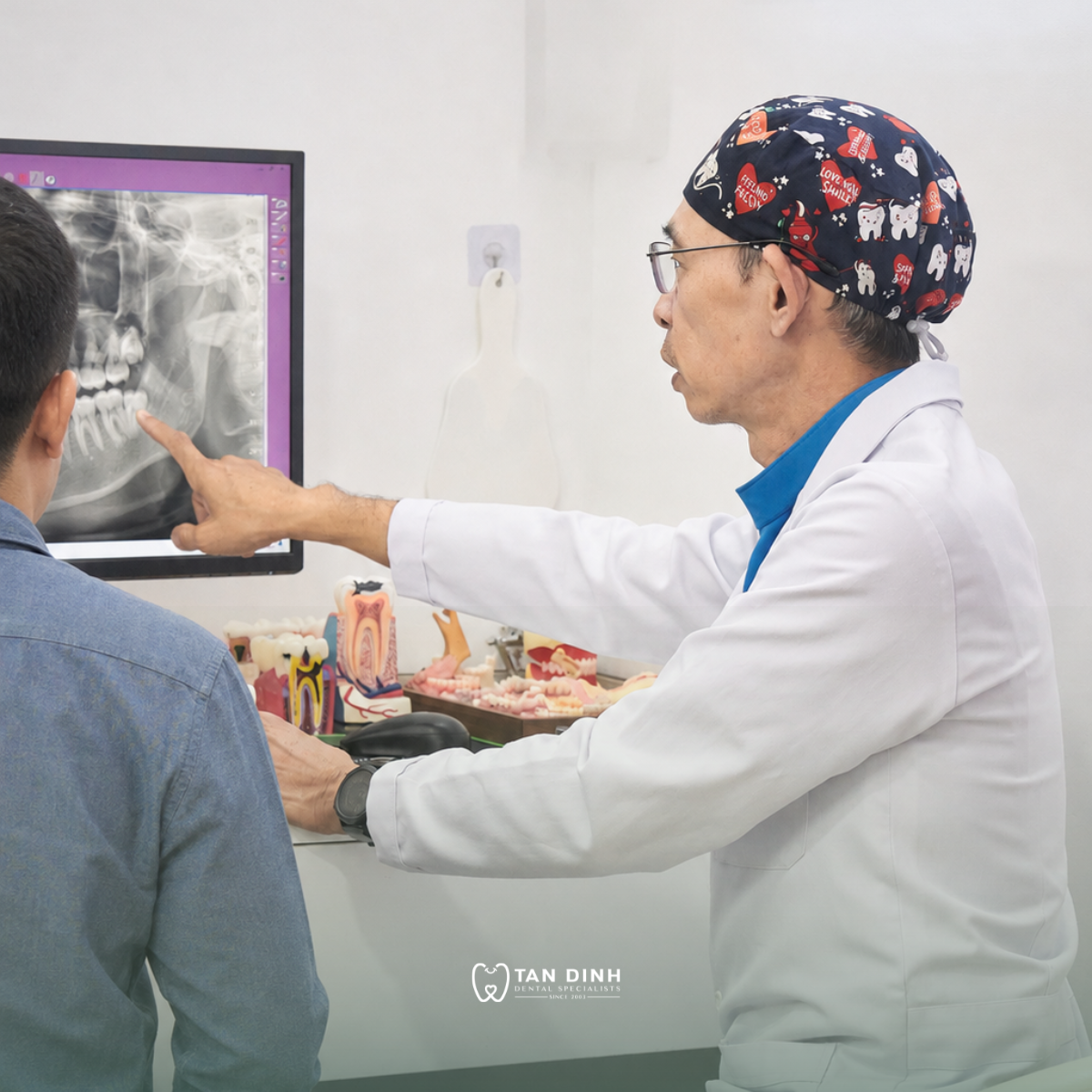
3D imaging may be used to evaluate the bone at the planned implant site and identify nearby anatomical structures that need to be considered during treatment.
Step 3. Treatment Planning
Based on the examination and imaging findings, the dentist determines whether bone grafting is necessary and plans the appropriate sequence of treatment.
If a bone graft is required, the patient will also be advised whether it should be performed before implant placement or whether the two procedures can be combined.
Step 4. Bone Grafting Procedure
The dentist accesses the treatment area and places the selected graft material according to the treatment plan. Depending on the case, additional materials or regenerative techniques may also be used.
Tan Dinh Dental Specialist provides supportive procedures for implant treatment, including bone grafting, regenerative membranes, and sinus augmentation. These procedures are recommended only when clinically indicated; not every dental implant patient requires them.
Step 5. Follow-Up and the Next Stages of Implant Treatment
After the procedure, the dentist monitors the grafted area and provides postoperative care instructions. The timing of the next stage depends on the condition of the bone, the grafting technique used, and the individual treatment plan.
Are Bone Grafting and Sinus Lifting the Same Procedure?
No. They are different procedures, although they are often performed together when implants are planned in the posterior upper jaw.
- Bone grafting: Adds graft material to areas where the jawbone has resorbed or where there is a bone defect. Bone grafting may be performed in either the upper or lower jaw.
- Sinus lift: A procedure specifically used in the posterior upper jaw when there is insufficient bone height beneath the maxillary sinus. The sinus membrane is carefully elevated to create space for bone graft material, which can help provide sufficient bone for future or simultaneous implant placement.
Therefore, bone grafting does not necessarily require a sinus lift—for example, when treating the lower jaw or front teeth. However, when a sinus lift is indicated due to insufficient bone height, bone graft material is commonly placed as part of the procedure.
If you have been told that you have “insufficient bone,” ask your dentist which area is deficient and why a particular treatment approach has been recommended.
Does Bone Grafting for Dental Implants Hurt?
During the procedure, local anesthesia is typically used to numb the treatment area, helping minimize pain during surgery. Additional pain-management or sedation options may be considered when appropriate.
Once the anesthetic wears off, some soreness, tightness, swelling, or discomfort may occur during the first few days. These are common postoperative symptoms and can usually be managed with the medications prescribed by the dentist and cold compresses as instructed.
The degree of discomfort varies depending on the extent of the graft, whether additional procedures such as a sinus lift are performed, and the individual’s response to treatment.
If pain continues to worsen despite medication, swelling becomes increasingly severe or spreads, bleeding persists, or other unusual symptoms occur, contact the dental clinic promptly for evaluation.
Does Bone Grafting Make Dental Implant Treatment Take Longer?
If bone grafting is performed before implant placement, the treatment plan will include an additional healing and monitoring period before proceeding to the next stage. When bone grafting and implant placement can be performed at the same appointment, the treatment sequence will be different.
There is no single healing timeline that applies to every patient. The appropriate timing depends on the extent of the bone deficiency, the grafting technique, the implant site, and how the area heals.
What Should I Keep in Mind After Bone Grafting?
During the first few days after bone grafting, follow your dentist’s specific instructions regarding oral hygiene, diet, activity, and any prescribed medications.
Avoid unnecessary pressure or trauma to the treated area. Attending scheduled follow-up appointments is also important so the dentist can monitor healing and determine when it is appropriate to proceed with the next stage of treatment.
Contact your dentist if you experience persistent bleeding, increasing pain or swelling, or any other unusual symptoms.
In summary, bone grafting can be an important preparatory or supportive procedure for dental implant treatment when there is insufficient jawbone to provide appropriate implant support. The extent of treatment varies considerably from patient to patient and depends on the amount of available bone and the location of the missing tooth.
For an individualized treatment plan, a clinical examination and 3D imaging are needed to assess the jawbone and determine whether bone grafting is necessary. At Tan Dinh Dental Specialist – Since 2003, our dental team can evaluate your implant site and discuss the treatment options appropriate for your condition.