Dental knowledge
Toothache at Night: Causes and Effective Ways to Relieve the Pain
A toothache can be extremely uncomfortable, affecting not only your physical well-being but also your mental health. In particular, tooth pain often feels more intense at night, making it difficult to fall asleep or get a restful night’s sleep.
Without timely treatment, persistent nighttime toothache may lead to more serious oral health complications. This article provides a detailed overview of the common causes of tooth pain at night and offers practical ways to relieve discomfort while seeking appropriate dental care.
What Causes Toothache at Night?
Understanding the underlying cause of nighttime tooth pain is essential for managing it effectively.
One of the most common causes is tooth decay. Cavities develop when bacteria and acids gradually break down the tooth enamel and damage the softer tissues underneath. As the decay progresses, the nerves inside the tooth may become exposed or irritated, causing pain that can range from mild sensitivity to severe throbbing.
Nighttime toothache may also be associated with gum disease, jaw problems or other health conditions.

Jaw Injuries
An injury to the jaw can cause persistent or worsening tooth pain, especially at night. Common signs may include:
- Jaw dislocation: This may cause pain while chewing, jaw stiffness, numbness in the gums, persistent toothache or loose teeth.
- Jaw misalignment: The jaw may appear unusually protruded, the teeth may no longer align properly, or the person may be unable to close their mouth completely.
- Facial trauma: A strong impact to the face or jaw can lead to dull, persistent or severe tooth pain.
Serious jaw injuries may interfere with breathing and eating. These symptoms require immediate medical attention to prevent further complications.
Sinusitis
Sinusitis occurs when the tissues lining the sinuses become inflamed and swollen, often as a result of infection.
Tooth pain is a common symptom because pressure and fluid buildup in the sinuses can affect the roots of the upper back teeth, which are located close to the sinus cavities. The discomfort is usually felt around the upper molars and may worsen when lying down or bending forward.

A Damaged or Dislodged Filling
A dental filling may become damaged, loosened or fall out due to several causes, including:
- New tooth decay around the filling
- Damage to the tooth or tooth root
- Teeth grinding
- Chewing hard foods
A damaged filling can expose sensitive areas of the tooth, resulting in a dull or throbbing ache. The discomfort may become more noticeable at night, particularly when pressure is placed on the affected tooth.
Food Trapped Between the Teeth
Small pieces of food can become lodged between the teeth or under the gumline. If they are not removed before bedtime, they may irritate the gums and encourage bacterial growth.
Food particles, bacteria and acids can aggravate an existing cavity or gum problem, causing tooth pain to become more noticeable during the night.
Dental Infection
A dental infection, also known as a tooth abscess, occurs when a pocket of pus forms in or around a tooth due to a bacterial infection.
This condition may result from untreated tooth decay, dental trauma or complications following certain dental procedures. An abscess often causes intense, throbbing pain that may spread to the jaw, ear or neck and become particularly severe at night.
Wisdom Tooth Eruption
Wisdom teeth are the last teeth to emerge. As they push partially or fully through the gums, they may cause significant pain, swelling and discomfort.
Most people have four wisdom teeth, and they do not always erupt at the same time. As a result, episodes of wisdom tooth pain may occur repeatedly over several months or years.
Because wisdom teeth usually emerge after the jaw has fully developed, there may not be enough room for them to grow properly. An impacted or misaligned wisdom tooth can press against nearby teeth and cause persistent, dull pain.

Gum Disease
Gingivitis and other forms of gum disease are also common causes of tooth and gum discomfort at night.
Inflamed gums may become swollen, tender or prone to bleeding. As gum disease progresses, the gums may recede and expose sensitive areas of the teeth, leading to pain while chewing and increased discomfort at night.
Teeth Grinding
Teeth grinding, or bruxism, often occurs unconsciously during sleep. It places excessive pressure on the teeth and jaw muscles, which may lead to nighttime toothache, headaches and pain around the jaw, face or ears.
Over time, bruxism can wear down the enamel, crack or damage the teeth and increase the risk of tooth loss.
Temporomandibular Joint Disorder
The temporomandibular joints connect the lower jaw to the skull and allow the jaw to move when speaking, chewing and swallowing.
Temporomandibular joint disorder, commonly known as TMD or TMJ disorder, occurs when the jaw joints or surrounding muscles do not function properly. It may develop after a jaw injury, due to arthritis or as a result of excessive strain on the jaw.
TMJ disorders can cause pain that feels as though it is coming from the teeth. The discomfort may also become noticeable while brushing, flossing or undergoing professional dental cleaning.
Effective Ways to Relieve Toothache at Night
The following measures may provide temporary relief from nighttime tooth pain. However, they do not replace professional diagnosis and treatment.
Take Over-the-Counter Pain Medication
Over-the-counter pain relievers such as ibuprofen or paracetamol may help reduce tooth pain temporarily.
Before taking any medication, make sure that it is suitable for your health condition and follow the recommended dosage carefully. People with underlying medical conditions, allergies or those taking other medications should consult a doctor or pharmacist beforehand.
Topical oral pain-relief gels may also provide short-term relief when used as directed.
Keep Your Head Elevated
Toothache may feel worse at night because lying flat can increase blood flow and pressure around the head and the affected tooth.
Try sleeping with your head slightly elevated by using one or two additional pillows. This may reduce pressure around the painful area and make it easier to fall asleep.
Maintain Good Oral Hygiene
Brush your teeth gently and use dental floss to remove food particles trapped between the teeth.
Rinsing with an appropriate antiseptic mouthwash may also help clean the mouth and reduce bacterial buildup. However, avoid brushing or flossing too aggressively around a painful or swollen area, as this may worsen the irritation.
Apply a Cold Compress Before Bed
A cold compress is a simple and commonly used method for reducing tooth pain and swelling.
Wrap an ice pack or a small bag of ice in a clean towel and place it against the outside of your cheek near the painful area. Apply it for approximately 15 to 20 minutes at a time.
The cold temperature helps constrict blood vessels, numb the area and temporarily relieve discomfort. Do not place ice directly on the tooth, gums or skin.
Traditional Herbal Remedies
Several traditional remedies are commonly used to ease nighttime tooth pain, including:
- Betel leaves: Betel leaves may be crushed with salt and mixed with a small amount of liquid for use as a mouth rinse.
- Mango peel: Mango peel is sometimes boiled in water and used as a traditional mouth rinse once cooled.
- Garlic and guava leaves: Crushed garlic and guava leaves mixed with salt are sometimes applied to the painful area.
- Cajeput oil: Some people use diluted cajeput oil as a temporary oral rinse.
- Peppermint tea: Cooled peppermint tea may be used as a soothing mouth rinse.
However, these traditional methods have not been sufficiently supported by scientific evidence. Some substances may irritate the gums, damage oral tissues or delay proper treatment if used incorrectly.
For safe and effective treatment, you should visit a dental clinic so that the underlying cause can be diagnosed and addressed.
Avoid Cold, Hard or Acidic Foods Before Bed
Avoid eating foods that are very cold, hard, sugary or acidic before going to sleep, as they may trigger sensitivity and make tooth pain worse.
Choose soft foods at a moderate temperature and try to chew on the opposite side of your mouth until you can visit a dentist.
When Should You See a Dentist?
You should arrange a dental examination as soon as possible if the pain persists, repeatedly returns or becomes more severe.
Seek urgent professional care if the toothache is accompanied by:
- Swelling of the face, jaw or gums
- Fever
- Pus or an unpleasant taste in the mouth
- Difficulty swallowing or breathing
- Severe pain that does not improve
- A loose, broken or displaced tooth
- Swelling that spreads toward the eye or neck
These symptoms may indicate a serious infection or injury requiring immediate treatment.

Conclusion
The appropriate treatment for nighttime toothache depends on its underlying cause.
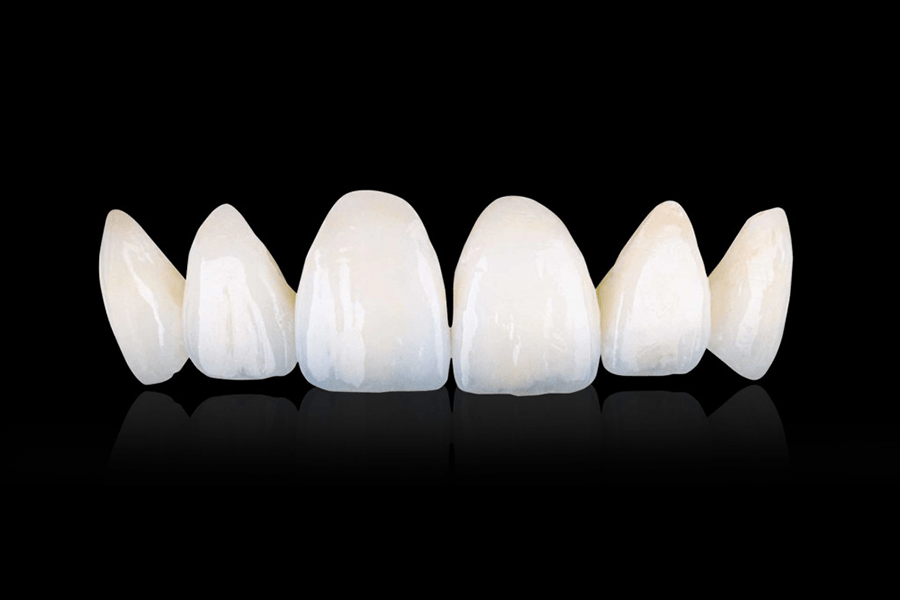
For a small cavity, the dentist may remove the decayed tissue, clean the affected area and place a filling. If the tooth is cracked or chipped, a filling or dental crown may be recommended to restore and protect it. In cases involving an infected dental pulp, root canal treatment may be necessary. Wisdom tooth problems, gum disease, jaw injuries and TMJ disorders will require different treatment approaches based on their severity.
Rather than relying solely on temporary pain-relief methods, you should schedule a dental examination to identify and treat the cause of the problem. Regular dental check-ups and proper daily oral care can also help prevent nighttime tooth pain and other dental complications.
For further information or professional advice, please contact Tan Dinh Dental Clinic.
- Address: 3 Ly Chinh Thang Street, Ward 8, District 3, Ho Chi Minh City
Website: nhakhoatandinh.com
Facebook: Tan Dinh Dental Clinic
Hotline: 0932 678 648